Home
Home
 About Us


WTO Announces Progress on Trade Disputes
03/03/2012 12:00
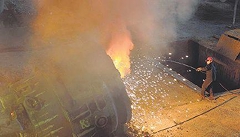
The World Trade Organization's (WTO) Dispute Settlement Body (DSB) at its meeting on February 22, 2012, established a panel to examine US anti-dumping measures on Korean steel products, and adopted a report in respect of China's export restraints on certain raw materials.
According to the WTO, Korea explained that consultations with the US, requested on January 31, 2011, allowed for a better understanding of the parties’ positions but failed to resolve the dispute. Korea noted that the US announced it would no longer use 'zeroing' (a method of calculating anti-dumping duties) in annual reviews and welcomed the US efforts in this regard. However, Korea regretted that the US plans did not go far enough to fully address its concerns and noted that zeroing in administrative reviews had repeatedly been found inconsistent with the WTO Anti-dumping Agreement and that the US was expected to amend the methodology accordingly.
On February 14, the US Department of Commerce published a modification to its procedure regarding the use of zeroing in anti-dumping reviews, which is intended to address the matter covered in Korea’s panel request. The US added that the process of modifying its methodologies to respond to DSB rulings on zeroing had been completed and, therefore, moving forward with this dispute served no purpose.
The DSB has also adopted two reports in respect of Chinese measures related to the exportation of various raw materials, which the US argues have created significant unfair advantages for Chinese users of these inputs over their foreign competitors. According to the US, these Chinese export restraints put economic pressure on foreign competitors to move their operations and technologies to China. The US said that in addition to the products covered in this dispute, China currently maintained export duties on over 350 products. In support of the US, the European Union said that Chinese export restrictions had significantly distorted the market and had created competitive advantages for the Chinese manufacturing industry to the detriment of foreign competitors.
Last month, a WTO Appellate Body upheld a previous panel's ruling, made in July last year, against the duties, quotas, and price and licensing requirements that China imposes on its exports of raw materials.
Following an appeal by China, the WTO definitively sided with the complainants, and found that, contrary to China’s defence that some of its measures were justified because they related to the conservation of exhaustible natural resources; it had not been able to demonstrate that it imposed these restrictions for that reason.
By Ulrika Lomas
Source: Tax-News.com
Các tin khác
- Following the imposition of the highest tariff of 37.13%, the Ministry of Industry and Trade is reviewing galvanized steel from China (19/06/2026)
- Official tariffs have been imposed on colorless float glass imported from Indonesia and Malaysia (19/06/2026)
- India seeks to continue anti-dumping duties on Bangladesh’s jute products (19/06/2026)
- Turkey Initiates Anti-Dumping Investigation into Polyester Cord Fabric from Viet Nam (19/06/2026)
- Chinese dumping in Brazil affected the entire garlic supply chain (19/06/2026)