Home
Home
 About Us



Vietnam: Markets open for agricultural exporters
29/12/2011 12:00
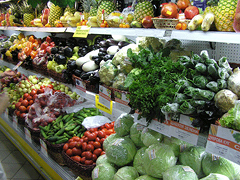
HCM CITY — Vietnamese firms should take advantage of a market opportunity to step up export of agricultural products, rice in particular, to Africa, the Middle East and South Asia, a senior official said on Friday.
Ly Quoc Hung, head of the Ministry of Industry and Trade's African, West Asian and South Asian Markets Department, was addressing a seminar in HCM City.
The U.A.E market has imported rice worth US$1.3 billion last year, mainly from Thailand. However, the output of Thai rice has decreased in the 2011-12 crop because of natural disasters, leading to inadequate supply and high export prices, he said.
"It is a good opportunity for us to occupy a larger proportion of such markets next year", he added.
Rice is still Viet Nam's biggest export item to Africa and Bangladesh, accounting for more than 16 per cent of the total export turnover last year, followed by seafood, textile and garments, electronic and electrical products.
Hung noted that in the next five years, rice would remain the key export item because of great demand in many African countries. Every year, African countries import an average of more than 8 million tonnes of rice.
Most African and Middle Eastern nations lack developed agricultural sectors for various reasons, so demand for staple grains is high. A rising trend in using seafood to replace meat in daily meals in African and Middle Eastern markets has increased demand for these products as well.
This demand presents a valuable opportunity for Vietnamese businesses to intensify exports and undertake research in the aquaculture potential of these countries to serve exports to neighbouring countries.
Meanwhile, some other items accounted for a large chunk of the export turnover to African, Middle East and South Asian markets. These included coffee, pepper, cashew, coconut and basa catfish, Hung said.
Apart from agricultural items, the export of gold and precious stones to the African market has increased sharply since 2010, particularly to South Africa.
The mobile phone is a new export item for Viet Nam, but it is one of the items with high turnover. This business is done primarily by FDI businesses in the country.
For the Middle Eastern market, textile and garments, footwear, household appliances and construction material were items of high interest, he said.
Hung also warned the Vietnamese exporter about taxation barriers, especially anti-dumping taxes in trade, especially in India and Turkey. Because it had a large market share, Viet Nam should keep a close eye on warning systems in these countries to timely prevent trade lawsuits that can have negative impacts on bilateral trade relations, he said.
Another difficulty faced by Vietnamese exporters was in securing payment. Vietnamese businesses should ensure payment through advance deposits or opening a letter of credit with prestigious banks because of many instances of fraud in the African, Middle Eastern and South Asian markets, Hung said.
To speed up exports to these regions, Viet Nam needs to pay attention to product quality and design, to ensure that they are in accordance with market demand and technical regulations.
To fully tap the export growth potential in South Asia, Viet Nam should take opportunities presented through the India-ASEAN free trade agreement. It would also consider signing preferential trade agreements with Sri Lanka to expand exports to the new market and develop new export items for Bangladesh and Pakistan, Hung said.
Nguyen Son Ha, Viet Nam's Trade Counselor to India, said Vietnamese businesses need to invest in building trademarks for Vietnamese agricultural products to increase their competitiveness.
Phan Minh Quang, Vietnamese Trade Counselor to Egypt said Vietnamese businesses should be made more aware of the export potential in the three regions.
The State also needed to provide support by organising trade promotion programmes that develop understanding of new markets, he said. In order to minimise risks, businesses should contact with commercial affairs departments in the embassies of different countries to verify trade partners and establish trust in transactions, he added.
Ngo Khai Hoan, Vietnamese Trade Counselor to Dubai, reiterated the need for trade promotion activities for the Middle Eastern market.
Dubai was a strategic location for transport and re-export for Vietnamese products to the Middle East and Northern Africa, he said.
Viet Nam should consider organising programmes to sponsoring UAE and Middle East importers to visit Viet Nam as Malaysia has done effectively, he said. — VNS
By Quynh Hoa
Source: vietnamnews.vnagency.com.vn
Các tin khác
- Following the imposition of the highest tariff of 37.13%, the Ministry of Industry and Trade is reviewing galvanized steel from China (19/06/2026)
- Official tariffs have been imposed on colorless float glass imported from Indonesia and Malaysia (19/06/2026)
- India seeks to continue anti-dumping duties on Bangladesh’s jute products (19/06/2026)
- Turkey Initiates Anti-Dumping Investigation into Polyester Cord Fabric from Viet Nam (19/06/2026)
- Chinese dumping in Brazil affected the entire garlic supply chain (19/06/2026)