Home
Home
 About Us



Non-decision opens door in furniture suit
26/05/2010 12:00
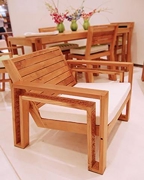
Manufacturers to divide $137 million in duties from Chinese companies
A seven-year legal battle that once threatened to spark a civil war in the domestic home-furnishings industry appears headed for a quiet, and financially satisfying, ending for 22 U.S. manufacturers.
Whether it will help to finally heal some still-tender wounds remains to be seen.
The U.S. Supreme Court decided last week not to hear a case regarding anti-dumping duties and the since-repealed Byrd Amendment pursued by SKF USA Inc., a maker of ball bearings.
The significance of the decision is that it likely removed the last legal obstacle to the 22 manufacturers divvying up -- on a pro-rata basis -- $137 million in duties collected from a group of Chinese wooden bedroom furniture manufacturers. The U.S. Commerce Department ruled in November 2004 that those manufacturers dumped products into the U.S. market at artificially low prices.
It's unclear when the surviving members of the American Furniture Manufacturers Committee for Legal Trade -- led by Bassett Furniture Industries Inc., Stanley Furniture Co. Inc. and Vaughan-Bassett Furniture Co. Inc. -- would receive the held-up money.
What makes the issue so divisive is that a group of seven U.S. furniture manufacturers and marketers, including Ashley Furniture Industries Inc., Ethan Allen Interiors Inc. and Furniture Brands International Inc., filed a lawsuit claiming they should benefit from the duties even though they didn't participate in the 2003 petition.
Those manufacturers made a similar argument to SKF -- that under free speech laws, they did not have to support the petition to benefit from the duties if they were affected by the dumping.
"The Supreme Court's recent order denying review puts an end to the litigation and represents a major victory for domestic industries that have been harmed by injurious dumping," the coalition said in a statement.
It shouldn't be surprising that in an industry that takes pride in its relationships -- many decades old -- there's been little gloating by a coalition that began in 2004 with 31 members.
Most declined to comment beyond generic remarks, such as "We are pleased to see that the Supreme Court has decided not to hear the case," from Stanley.
That's even though some members went out of business in the past six years, while others have experienced major financial setbacks.
For example, American of Martinsville Inc. filed for Chapter 11 bankruptcy protection last week. On May 12, Stanley said it was closing its last plant in its hometown of Stanleytown, Va., cutting 530 positions -- or 41 percent of its work force -- by the end of the year.
The issues, and the bruises, go back to when Congress created the Continued Dumping and Subsidy Offset Act in 2000.
The act requires that revenues from antidumping and countervailing duties on designated imports be distributed annually to domestic producers that were either petitioners or interested parties supporting the petition that resulted in duties being levied.
Stanley said in a regulatory filing it received $31.2 million for the years 2007 through 2009, and expects to get another $36 million. Bassett said in a regulatory filing that it got nearly $6 million in the same years. Because Vaughan-Bassett is not a publicly traded company, it is not clear how much it received, although it did get $4.7 million in fiscal year 2009.
In filings with the U.S. Customs and Border Protection -- the agency responsible for holding onto the disputed duties -- the seven manufacturers made combined claims that could have been valued at $108 million.
What galls some industry observers is Furniture Brands' claim for $25 million even though it aggressively opposed the petition when the issue came to a head at the 2004 spring and fall High Point Markets. Furniture Brands joined the Furniture Retailers of America -- mostly big-box retailers dependent on lower-cost imported products -- in claiming the duties essentially were a hidden tax on consumers.
At that time, Furniture Brands was accelerating the taking of its production offshore or shifting it to third-party vendors in Asia. That strategy led to the elimination of at least 6,400 jobs in North Carolina.
Even though the Supreme Court decision essentially ended the free-speech claim, the legal battles regarding the duties are not over.
The U.S. International Trade Court will rule later this year whether the dumping of wooden bedroom furniture from China continues to cause "material injury" to domestic manufacturers. Remnants of the Furniture Retailers of America are expected to argue against that claim.
"The opposing group has argued that the loss of jobs was inevitable and duties would not prevent it," said Doug Bassett, a spokesman for the manufacturers' coalition and a vice president of sales for Vaughan-Bassett. "We believe members of this coalition are proof that's not the case."
rcraver@wsjournal.com
727-7376
Duty claimers
Twenty-nine U.S. furniture manufacturers and marketers — designated as petitioners and non-petitioners — filed claims for antidumping duties in fiscal year 2009.
• PETITIONERS: American of Martinsville Inc., Bassett Furniture Industries Inc., Bebe Furniture Inc., Carolina Furniture Works Inc., Century Furniture LLC, Harden Furniture Inc., Higdon Furniture Co., Johnston Tombigbee Furniture Manufacturing Co., Kincaid Furniture Co. Inc., L and J G Stickley Inc., Lea Industries, Michels and Co., MJ Wood Products Inc., Mobel Inc., Oakwood Interiors, Perdues Inc., Sandberg Furniture Manufacturing Co. Inc., Stanley Furniture Co. Inc., T. Copeland and Sons Inc., Tom Seely Furniture, Vaughan-Bassett Furniture Co. Inc., Vermont Quality Wood Products LLC.
• NON-PETITIONERS: Ashley Furniture Industries Inc., Ethan Allen Operations Inc., Furniture Brands International Inc., Kimball Furniture Group Inc., Orleans Furniture Inc., Solid Comfort Inc., Standard Furniture Manufacturing Co. Inc.
A seven-year legal battle that once threatened to spark a civil war in the domestic home-furnishings industry appears headed for a quiet, and financially satisfying, ending for 22 U.S. manufacturers.
Whether it will help to finally heal some still-tender wounds remains to be seen.
The U.S. Supreme Court decided last week not to hear a case regarding anti-dumping duties and the since-repealed Byrd Amendment pursued by SKF USA Inc., a maker of ball bearings.
The significance of the decision is that it likely removed the last legal obstacle to the 22 manufacturers divvying up -- on a pro-rata basis -- $137 million in duties collected from a group of Chinese wooden bedroom furniture manufacturers. The U.S. Commerce Department ruled in November 2004 that those manufacturers dumped products into the U.S. market at artificially low prices.
It's unclear when the surviving members of the American Furniture Manufacturers Committee for Legal Trade -- led by Bassett Furniture Industries Inc., Stanley Furniture Co. Inc. and Vaughan-Bassett Furniture Co. Inc. -- would receive the held-up money.
What makes the issue so divisive is that a group of seven U.S. furniture manufacturers and marketers, including Ashley Furniture Industries Inc., Ethan Allen Interiors Inc. and Furniture Brands International Inc., filed a lawsuit claiming they should benefit from the duties even though they didn't participate in the 2003 petition.
Those manufacturers made a similar argument to SKF -- that under free speech laws, they did not have to support the petition to benefit from the duties if they were affected by the dumping.
"The Supreme Court's recent order denying review puts an end to the litigation and represents a major victory for domestic industries that have been harmed by injurious dumping," the coalition said in a statement.
It shouldn't be surprising that in an industry that takes pride in its relationships -- many decades old -- there's been little gloating by a coalition that began in 2004 with 31 members.
Most declined to comment beyond generic remarks, such as "We are pleased to see that the Supreme Court has decided not to hear the case," from Stanley.
That's even though some members went out of business in the past six years, while others have experienced major financial setbacks.
For example, American of Martinsville Inc. filed for Chapter 11 bankruptcy protection last week. On May 12, Stanley said it was closing its last plant in its hometown of Stanleytown, Va., cutting 530 positions -- or 41 percent of its work force -- by the end of the year.
The issues, and the bruises, go back to when Congress created the Continued Dumping and Subsidy Offset Act in 2000.
The act requires that revenues from antidumping and countervailing duties on designated imports be distributed annually to domestic producers that were either petitioners or interested parties supporting the petition that resulted in duties being levied.
Stanley said in a regulatory filing it received $31.2 million for the years 2007 through 2009, and expects to get another $36 million. Bassett said in a regulatory filing that it got nearly $6 million in the same years. Because Vaughan-Bassett is not a publicly traded company, it is not clear how much it received, although it did get $4.7 million in fiscal year 2009.
In filings with the U.S. Customs and Border Protection -- the agency responsible for holding onto the disputed duties -- the seven manufacturers made combined claims that could have been valued at $108 million.
What galls some industry observers is Furniture Brands' claim for $25 million even though it aggressively opposed the petition when the issue came to a head at the 2004 spring and fall High Point Markets. Furniture Brands joined the Furniture Retailers of America -- mostly big-box retailers dependent on lower-cost imported products -- in claiming the duties essentially were a hidden tax on consumers.
At that time, Furniture Brands was accelerating the taking of its production offshore or shifting it to third-party vendors in Asia. That strategy led to the elimination of at least 6,400 jobs in North Carolina.
Even though the Supreme Court decision essentially ended the free-speech claim, the legal battles regarding the duties are not over.
The U.S. International Trade Court will rule later this year whether the dumping of wooden bedroom furniture from China continues to cause "material injury" to domestic manufacturers. Remnants of the Furniture Retailers of America are expected to argue against that claim.
"The opposing group has argued that the loss of jobs was inevitable and duties would not prevent it," said Doug Bassett, a spokesman for the manufacturers' coalition and a vice president of sales for Vaughan-Bassett. "We believe members of this coalition are proof that's not the case."
rcraver@wsjournal.com
727-7376
Duty claimers
Twenty-nine U.S. furniture manufacturers and marketers — designated as petitioners and non-petitioners — filed claims for antidumping duties in fiscal year 2009.
• PETITIONERS: American of Martinsville Inc., Bassett Furniture Industries Inc., Bebe Furniture Inc., Carolina Furniture Works Inc., Century Furniture LLC, Harden Furniture Inc., Higdon Furniture Co., Johnston Tombigbee Furniture Manufacturing Co., Kincaid Furniture Co. Inc., L and J G Stickley Inc., Lea Industries, Michels and Co., MJ Wood Products Inc., Mobel Inc., Oakwood Interiors, Perdues Inc., Sandberg Furniture Manufacturing Co. Inc., Stanley Furniture Co. Inc., T. Copeland and Sons Inc., Tom Seely Furniture, Vaughan-Bassett Furniture Co. Inc., Vermont Quality Wood Products LLC.
• NON-PETITIONERS: Ashley Furniture Industries Inc., Ethan Allen Operations Inc., Furniture Brands International Inc., Kimball Furniture Group Inc., Orleans Furniture Inc., Solid Comfort Inc., Standard Furniture Manufacturing Co. Inc.
U.S. Customs and Border Protection, St. Louis Post Dispatch
By Richard Craver
JOURNAL REPORTER
Published: May 23, 2010
Source: www2.journalnow.com
By Richard Craver
JOURNAL REPORTER
Published: May 23, 2010
Source: www2.journalnow.com
Các tin khác
- Following the imposition of the highest tariff of 37.13%, the Ministry of Industry and Trade is reviewing galvanized steel from China (19/06/2026)
- Official tariffs have been imposed on colorless float glass imported from Indonesia and Malaysia (19/06/2026)
- India seeks to continue anti-dumping duties on Bangladesh’s jute products (19/06/2026)
- Turkey Initiates Anti-Dumping Investigation into Polyester Cord Fabric from Viet Nam (19/06/2026)
- Chinese dumping in Brazil affected the entire garlic supply chain (19/06/2026)