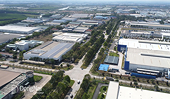
The reciprocal tariff rate for Vietnam was reduced from 46% to 20%. This change is said to cause Vietnam’s exports to the US market to decline by 9–10% in value.
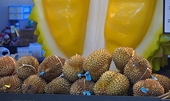
Building a map for durian-growing regions suffering cadmium contamination is a key solution for ensuring food safety and meeting the requirements of foreign markets to sustain exports.
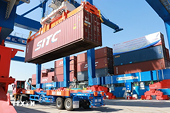
While the US's new tariff policies have placed certain Vietnamese exports under pressure, the changes are also prompting companies to rethink strategies, diversify markets, and break free from over-reliance on any single destination.
Expanding market reach is now a matter of survival for Vietnamese enterprises amid fierce competition and disruptions in global supply chains, experts said at a business forum held in Hanoi on August 14.
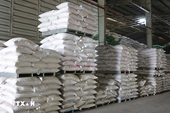
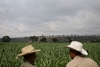
Vietnam’s average export price for rice currently stands at 514 USD per tonne. Although this is lower than in recent years, it remains higher than that of other suppliers, he said, noting that the global rice market is experiencing oversupply.
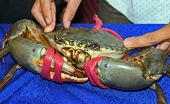
Việt Nam’s exports of crabs and sentinel crabs surged to over US$173 million in the first half of this year, representing a rise of 38 per cent over the same period last year and reaching the highest level in a decade.
Vietnamese products, particularly home and outdoor décor, handicrafts, fashion, gifts, and lifestyle goods enjoy ample growth potential in the EU market.
Green consumption, rising e-commerce sales, and the benefits of free trade agreements are the three key trends propelling Vietnamese handicrafts onto the global stage.
 Home
Home
 About Us