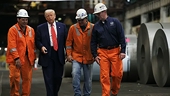
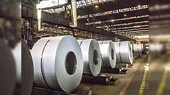
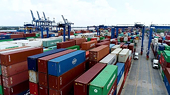
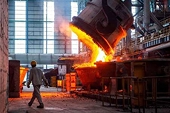
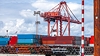
The Trump administration has quietly expanded its 50% steel and aluminum tariffs to include more than 400 additional product categories, vastly increasing the reach and impact of this arm of its trade agenda.
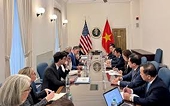
Vietnam is actively pursuing a favorable trade deal with the US by implementing reforms and enhancing its trade network, while also advocating for recognition as a market economy to alleviate high anti-dumping duties.
It seems to have come as a shock, however, for entrepreneurs and experts, it is a turning point that could help Vietnamese enterprises strengthen their resilience, restructure their value chains.
Vietnamese wood companies should introduce more product lines to existing markets to avoid “putting all eggs in one basket,” said Phung Quoc Man, chairman of the Handicraft and Wood Industry Association of Ho Chi Minh City (HAWA).
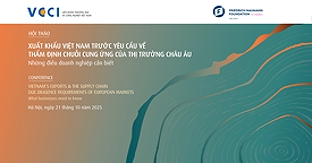
Discussions will zero in on risks facing Vietnamese exports, including heightened scrutiny over circumvention and origin fraud in major markets; as well as opportunities and challenges awaiting domestic firms in 2025.
The Japan Iron and Steel Federation and other industry groups have urged the government to establish a system soon to prevent the exploitation of "loopholes" that allow Chinese steel to avoid anti-dumping duties.
 Home
Home
 About Us