Home
Home
 About Us



EU suspects Beijing of circumventing anti-dumping measures
11/07/2012 12:00
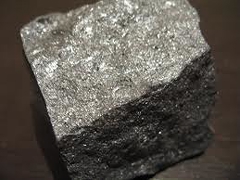
The European Commission is launching an investigation into a “possible circumvention” of anti-dumping measures that the EU imposed on China’s exports of silicon back in 1990. The complaint was lodged by Euroalliages, the association of European ferro-alloy and silicon producers, on 15 May.
“The request contains sufficient prima facie evidence that the anti-dumping measures on imports of silicon originating in the People’s Republic of China are being circumvented by means of transhipment via Taiwan,” the Commission said in the Official Journal of the EU, on 6 July.
The evidence includes a significant change of pattern of trade involving exports from China and Taiwan to the EU since the measures were imposed “without sufficient due cause or justification for such a change other than the imposition of the duty.” Said change could result from the transhipment of silicon originating in China via Taiwan to the EU.
In 1990, the EU imposed a definitive anti-dumping duty of 49% on imports of silicon originating in China, after it found that the country was guilty of dumping said products in the EU. Since then, the measures have been extended three times: in 1997, in 2004 and in 2010, when the measures were expanded to South Korea with a duty rate of 19%. Duties on Chinese imports were lowered the same year to 16.3%. “This has been going on for 20 years, and China has been circumventing the measures every time, first via Korea and now via Taiwan,” Euroalliages’ Secretary-General Ines Vanlierde told Europolitics.
The Commission, which will now ask silicon companies in both Taiwan and China to answer questionnaires regarding their exports of said product into the Union, is due to conclude its investigation within the next nine months.
“The request contains sufficient prima facie evidence that the anti-dumping measures on imports of silicon originating in the People’s Republic of China are being circumvented by means of transhipment via Taiwan,” the Commission said in the Official Journal of the EU, on 6 July.
The evidence includes a significant change of pattern of trade involving exports from China and Taiwan to the EU since the measures were imposed “without sufficient due cause or justification for such a change other than the imposition of the duty.” Said change could result from the transhipment of silicon originating in China via Taiwan to the EU.
In 1990, the EU imposed a definitive anti-dumping duty of 49% on imports of silicon originating in China, after it found that the country was guilty of dumping said products in the EU. Since then, the measures have been extended three times: in 1997, in 2004 and in 2010, when the measures were expanded to South Korea with a duty rate of 19%. Duties on Chinese imports were lowered the same year to 16.3%. “This has been going on for 20 years, and China has been circumventing the measures every time, first via Korea and now via Taiwan,” Euroalliages’ Secretary-General Ines Vanlierde told Europolitics.
The Commission, which will now ask silicon companies in both Taiwan and China to answer questionnaires regarding their exports of said product into the Union, is due to conclude its investigation within the next nine months.
Friday 06 July 2012
By Lénaïc Vaudin d’Imécourt
Source: europolitics.info
By Lénaïc Vaudin d’Imécourt
Source: europolitics.info
Các tin khác
- Following the imposition of the highest tariff of 37.13%, the Ministry of Industry and Trade is reviewing galvanized steel from China (19/06/2026)
- Official tariffs have been imposed on colorless float glass imported from Indonesia and Malaysia (19/06/2026)
- India seeks to continue anti-dumping duties on Bangladesh’s jute products (19/06/2026)
- Turkey Initiates Anti-Dumping Investigation into Polyester Cord Fabric from Viet Nam (19/06/2026)
- Chinese dumping in Brazil affected the entire garlic supply chain (19/06/2026)