Home
Home
 About Us


E.U. Seeks to Extend Anti-Dumping Tariff on Scanners From China
03/05/2010 12:00
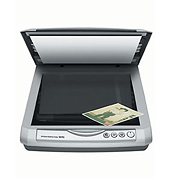
LONDON — In another sign of mounting trade tensions with China, the European Union is seeking to extend anti-dumping duties on high-tech equipment exported by a company once led by the son of Hu Jintao, the Chinese president.
The proposal, expected to be endorsed Wednesday, highlights mounting concern in Europe that the Chinese are using state backing and diplomatic muscle to eclipse Western competitors. It comes just a day before the European Commission president, José Manuel Barroso, and the European trade commissioner, Karel De Gucht, were to arrive in Beijing for talks on improving cooperation and market access.
The commission, which handles trade issues for the 27-country bloc, imposed provisional duties of 36.6 percent on imports of large-scale cargo-scanning equipment from China in December. On Wednesday, E.U. experts are expected to endorse a proposal to make the duties permanent at a rate of 34 percent, according to an official document circulated ahead of the meeting.
The commission’s investigation concluded that exports from the company in question, called Nuctech, surged at the expense of its main European competitor, Smiths Detection, based in Britain.
Nuctech, the only Chinese company to export such equipment, came to public notice last year when it was embroiled in a corruption inquiry in Namibia.
Smiths Detection submitted a complaint to the commission last year charging that the Chinese company had off-loaded its research and development costs to the Chinese government, offered customers preferential loans and extended warranty arrangements, and used high-level connections to make deals with foreign governments.
The British company also argued that, because scanning machines guard against fraud and terrorism at ports and airports, China’s grip on the market could compromise European security.
The European Commission document prepared for experts from E.U. member states, and seen by the International Herald Tribune, says Nuctech increased its market share 140 percent from roughly 2004 to 2008, while the E.U.’s industry market share decreased at least 20 percent.
During that period, overall sales increased 11 percent in Europe, but Smiths “has become loss-making.” Figures were not disclosed, but the document said it found “the Chinese exporting producer undercut the complainant by a range of 15-20 percent.”
After the expert committee vote, the decision will still need to be approved by ministers from member states before taking effect. That is usually a formality.
Participants at the meeting Wednesday are also being asked to approve provisional duties of 20.6 percent on aluminum car wheels from China. According to the commission, Chinese imports have “increased in volume at prices which undercut those of the Union industry.”
Lourdes Catrain, a partner at the law firm Hogan & Hartson, which represents one large Chinese wheel exporter, said, “This will further escalate trade tensions between the E.U. and China. Commissioner De Gucht may have an awkward reception in China.”
The recommendation on scanning equipment broaches a politically sensitive area, with Smiths arguing that the ability of countries to control their frontiers might be at risk if Europeans became dependant on a foreign supplier with “an intimate understanding of how to ‘beat’ or disable” security and customs checks.
In its complaint, Smiths said that the Chinese company won every tender published by European governments for cargo-scanning machines in 2007, and most of those in 2008. Nuctech “has recently turned its attention to the U.S. market,” the company added.
Nuctech itself says it has exported to more than 50 countries. Apart from Smiths Detection, its only other real competitor is Rapiscan Systems, based in Torrance, California.
Nuctech’s Web site says it “currently holds the largest market share in the field of high-energy security inspection systems.” It also has lodged a counterdumping case in China against Smiths regarding the export of smaller airport scanners to China.
It was not possible to reach Nuctech late Tuesday. It did not respond to several requests for comment in recent months.
The E.U. case rests on Nuctech’s penetration of the European market. Smiths said it lost a succession of tenders to Nuctech in 2007 and 2008in the Netherlands, Belgium, Hungary, Lithuania, Latvia, Finland, Slovenia and Poland. In Slovenia, the Chinese company offered a higher price than Smiths Detection of €1.6 million, but included a 10-year extended maintenance warranty which, according to the British company, undercut them by 50 percent to 100 percent.
The complaint from Smiths says that Nuctech originated out of Tsinghua University and, though it has operated as a business since 1997, was only formally established in 2000. The state-owned university owns Tsinghua Holdings.
“The Chinese government holds at least 23 percent of Nuctech’s shares through Tsinghua Holdings, and its actual share is likely even higher through the other shareholders of Nuctech,” Smiths Detection argues.
“Tsinghua University continues to contribute R.&D. (as Nuctech itself recognizes on its Web site) to Nuctech, which effectively eliminates one of Nuctech’s most important costs.”
The document says that, in some cases, Nuctech has given equipment to governments to establish a market position.In September 2005, for instance, a scanner worth 100 million Slovakian korunas, or about $4.4 million, was given to Slovakia. Nepal was given a mobile X-ray cargo scanning device in 2005 and another scanning system in 2007. Another tactic highlighted in the document, compiled last year, is the use of government financing to lubricate export deals, through preferential loans.
The complaint added that the chief executive and president of Nuctech was Hu Haifeng, the son of Hu Jintao, though Hu Haifeng no longer holds those positions.
Nuctech’s orders were often negotiated as part of broader trade deals negotiated by Beijing. In Venezuela, for example, Nuctech scanners were provided in exchange for oil, the document says, while a trade deal with Turkmenistan included a Nuctech contract.
“The Chinese government has now on several occasions given or loaned Nuctech products to governments (for example Malta) for free, thereby allowing Nuctech to sidestep open competitions,” the legal complaint said
In May 2007, Malta’s Department of Information issued a statement describing two agreements made during meetings with the Chinese government.
The first was for an “operating lease agreement” between Nuctech and the Government of Malta totaling €3 million over eight years. The second agreement was for a grant from China equivalent to €291,000, “to be used in the implementation of projects to be agreed on by both countries,” the Maltese government said.
The proposal, expected to be endorsed Wednesday, highlights mounting concern in Europe that the Chinese are using state backing and diplomatic muscle to eclipse Western competitors. It comes just a day before the European Commission president, José Manuel Barroso, and the European trade commissioner, Karel De Gucht, were to arrive in Beijing for talks on improving cooperation and market access.
The commission, which handles trade issues for the 27-country bloc, imposed provisional duties of 36.6 percent on imports of large-scale cargo-scanning equipment from China in December. On Wednesday, E.U. experts are expected to endorse a proposal to make the duties permanent at a rate of 34 percent, according to an official document circulated ahead of the meeting.
The commission’s investigation concluded that exports from the company in question, called Nuctech, surged at the expense of its main European competitor, Smiths Detection, based in Britain.
Nuctech, the only Chinese company to export such equipment, came to public notice last year when it was embroiled in a corruption inquiry in Namibia.
Smiths Detection submitted a complaint to the commission last year charging that the Chinese company had off-loaded its research and development costs to the Chinese government, offered customers preferential loans and extended warranty arrangements, and used high-level connections to make deals with foreign governments.
The British company also argued that, because scanning machines guard against fraud and terrorism at ports and airports, China’s grip on the market could compromise European security.
The European Commission document prepared for experts from E.U. member states, and seen by the International Herald Tribune, says Nuctech increased its market share 140 percent from roughly 2004 to 2008, while the E.U.’s industry market share decreased at least 20 percent.
During that period, overall sales increased 11 percent in Europe, but Smiths “has become loss-making.” Figures were not disclosed, but the document said it found “the Chinese exporting producer undercut the complainant by a range of 15-20 percent.”
After the expert committee vote, the decision will still need to be approved by ministers from member states before taking effect. That is usually a formality.
Participants at the meeting Wednesday are also being asked to approve provisional duties of 20.6 percent on aluminum car wheels from China. According to the commission, Chinese imports have “increased in volume at prices which undercut those of the Union industry.”
Lourdes Catrain, a partner at the law firm Hogan & Hartson, which represents one large Chinese wheel exporter, said, “This will further escalate trade tensions between the E.U. and China. Commissioner De Gucht may have an awkward reception in China.”
The recommendation on scanning equipment broaches a politically sensitive area, with Smiths arguing that the ability of countries to control their frontiers might be at risk if Europeans became dependant on a foreign supplier with “an intimate understanding of how to ‘beat’ or disable” security and customs checks.
In its complaint, Smiths said that the Chinese company won every tender published by European governments for cargo-scanning machines in 2007, and most of those in 2008. Nuctech “has recently turned its attention to the U.S. market,” the company added.
Nuctech itself says it has exported to more than 50 countries. Apart from Smiths Detection, its only other real competitor is Rapiscan Systems, based in Torrance, California.
Nuctech’s Web site says it “currently holds the largest market share in the field of high-energy security inspection systems.” It also has lodged a counterdumping case in China against Smiths regarding the export of smaller airport scanners to China.
It was not possible to reach Nuctech late Tuesday. It did not respond to several requests for comment in recent months.
The E.U. case rests on Nuctech’s penetration of the European market. Smiths said it lost a succession of tenders to Nuctech in 2007 and 2008in the Netherlands, Belgium, Hungary, Lithuania, Latvia, Finland, Slovenia and Poland. In Slovenia, the Chinese company offered a higher price than Smiths Detection of €1.6 million, but included a 10-year extended maintenance warranty which, according to the British company, undercut them by 50 percent to 100 percent.
The complaint from Smiths says that Nuctech originated out of Tsinghua University and, though it has operated as a business since 1997, was only formally established in 2000. The state-owned university owns Tsinghua Holdings.
“The Chinese government holds at least 23 percent of Nuctech’s shares through Tsinghua Holdings, and its actual share is likely even higher through the other shareholders of Nuctech,” Smiths Detection argues.
“Tsinghua University continues to contribute R.&D. (as Nuctech itself recognizes on its Web site) to Nuctech, which effectively eliminates one of Nuctech’s most important costs.”
The document says that, in some cases, Nuctech has given equipment to governments to establish a market position.In September 2005, for instance, a scanner worth 100 million Slovakian korunas, or about $4.4 million, was given to Slovakia. Nepal was given a mobile X-ray cargo scanning device in 2005 and another scanning system in 2007. Another tactic highlighted in the document, compiled last year, is the use of government financing to lubricate export deals, through preferential loans.
The complaint added that the chief executive and president of Nuctech was Hu Haifeng, the son of Hu Jintao, though Hu Haifeng no longer holds those positions.
Nuctech’s orders were often negotiated as part of broader trade deals negotiated by Beijing. In Venezuela, for example, Nuctech scanners were provided in exchange for oil, the document says, while a trade deal with Turkmenistan included a Nuctech contract.
“The Chinese government has now on several occasions given or loaned Nuctech products to governments (for example Malta) for free, thereby allowing Nuctech to sidestep open competitions,” the legal complaint said
In May 2007, Malta’s Department of Information issued a statement describing two agreements made during meetings with the Chinese government.
The first was for an “operating lease agreement” between Nuctech and the Government of Malta totaling €3 million over eight years. The second agreement was for a grant from China equivalent to €291,000, “to be used in the implementation of projects to be agreed on by both countries,” the Maltese government said.
By STEPHEN CASTLE
Published: April 27, 2010
Source: www.nytimes.com
Published: April 27, 2010
Source: www.nytimes.com
Các tin khác
- Following the imposition of the highest tariff of 37.13%, the Ministry of Industry and Trade is reviewing galvanized steel from China (19/06/2026)
- Official tariffs have been imposed on colorless float glass imported from Indonesia and Malaysia (19/06/2026)
- India seeks to continue anti-dumping duties on Bangladesh’s jute products (19/06/2026)
- Turkey Initiates Anti-Dumping Investigation into Polyester Cord Fabric from Viet Nam (19/06/2026)
- Chinese dumping in Brazil affected the entire garlic supply chain (19/06/2026)