Home
Home
 About Us


EU looks pleased, but asks for more efforts
09/06/2010 12:00
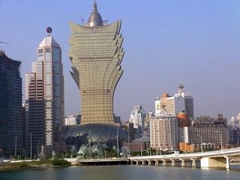
Last year was a year of changes and while everything looks to be going smoothly, there is still work to be done, says the European Commission’s annual report on Macau, released late last week.
2009 was an important year for the Macau SAR: it marked the 10th anniversary of its return to mainland China; a new Chief Executive replaced Edmund Ho – the first change of leadership since 1999; elections were held for the Legislative Assembly; and earlier in the year, Macau witnessed the passage of national security legislation.
Legislative Assembly elections record turnout “was a positive indicator of Macau’s political development and a sign of rising civil awareness in the territory,”
It was a year of political changes, as the Commission, presided over by Durão Barroso, recalls that four of the 12 candidates who won the direct elections were new faces. “Macau’s pro-democratic camp of legislators won another seat in the chamber, bringing their mandate up from two seats to three,” points out the report.
The September elections attracted a voter turnout rate of 59.9 percent – the highest in Macau’s electoral history – and the European Commission feels that the record turnout “was a positive indicator of Macau’s political development and a sign of rising civil awareness in the territory.”
“The European Commission welcomes this development and believes that the increasing political maturity of Macau’s citizens provides a solid foundation for progress towards greater democracy,” writes the Office of the European Union to Hong Kong and Macau.
Concerns raised
However, there are still some concerns, like the passage of the national security legislation. Article 23 of the Basic Law commits the SAR Government to introducing legislation covering treason, secession, sedition, subversion and theft of state secrets.
Local authorities did just that and the law came into effect on March 3, 2009. While it was stated in the Basic Law, the report shows some apprehension: “The EU reiterates the importance of preserving fundamental rights and freedoms guaranteed in the Basic Law of Macau SAR.”
For the future, the EU would like to see “progress in bilateral dialogue in matters such as civil aviation and taxation of savings.”
Last year, Maria Castillo-Fernandez, head of the European Commission’s Office to Hong Kong and Macau, raised some questions regarding the new law. Those concerns included whether the passing of the Article 23 national security bill would have any impact on future visits by European politicians who might be outspoken against China.
The EU report also highlights the fact that Macau was mentioned in the 75th session of the United Nation’s Committee on the Elimination of Racial Discrimination.
Although the committee acknowledged Macau’s adoption of the Law on the Fight Against Trafficking in Persons, as well as the law establishing the Legal Framework on the Recognition and Loss of Refugee Status, it also expressed concerns that human trafficking “is still a serious problem in the SAR, bearing in mind that victims were often women and children who were not citizens or who belonged to ethnic minorities.”
In the report, EU recalls that the UN committee recommended the reinforcement of measures to adequately prevent, combat and punish human trafficking, especially of non-citizens.
The same committee also expressed concerns that migrant workers were excluded from the social welfare system in the SAR. “Relevant legislation should be amended with a view to extending social welfare benefits to all workers,” highlights the report.
“The European Commission also noted with concern the increasing number of incidents throughout the year in which Hong Kong journalists, academics and activists were denied entry by Macau immigration officers, on the grounds of public security,” writes the report.
Strengthening ties
According to the report, there are several aspects that both Macau and EU should look into, namely strengthening the multilateral trade system, improving intellectual property rights protection, upgrading Macau’s public procurement tendering procedures, and acknowledging bilateral co-operation on anti-dumping investigations.
In the report, the EU acknowledges that the environment is an important issue of concern for the SAR’s Government. “The SAR has been very active in promoting governmental and civil society exchanges,” the European Commission says.
For the future, the EU would like to see “progress in bilateral dialogue in matters such as civil aviation and taxation of savings.” “The European Commission would also like to enhance academic and cultural exchanges, as well as encourage Macau to participate in worldwide EU-funded programmes,” says the report.
Over-reliant economy
Since 2002, Macau has become the world’s biggest casino market. While Macau has seen fast economic growth, its economy experienced its first economic recession in 2009 as a result of the global financial crisis and government policies to contain the excessive growth of the gaming industry.
“Although Macau’s economy managed to weather the crisis it remains over-reliant on the gambling industry and continues to see a widening wealth gap expand,” points out the European Commission report.
The EU recalls that China has continued to tighten the number of visits from mainland residents, a move “that had a far greater impact on the local economy than the global financial crisis.”
“The impact on the world’s largest gaming market was most notable in the finances of US casino operators. Some of their casino expansion projects were slowed down or suspended,” writes the report.
Nonetheless, the local economy recovered through increased arrivals of visitors and robust gaming revenues in the last quarter of 2009. Yet, on the external front, merchandise exports were very weak due to the sluggish demand in overseas markets. “Exports of goods plummeted by 52 percent, and imports fell by 14 percent, yielding a widening trade deficit of over MOP 29 billion,” says the report.
While it continues to progressively integrate its economy with mainland China, especially in the Pearl River Delta Region, “Macau faces increased competition from other Asian cities which aim to enter the casino business,” warns the EU report. “Local authorities should put more effort in diversifying its economy, which will be beneficial for its long term stability,” writes the report.
2009 was an important year for the Macau SAR: it marked the 10th anniversary of its return to mainland China; a new Chief Executive replaced Edmund Ho – the first change of leadership since 1999; elections were held for the Legislative Assembly; and earlier in the year, Macau witnessed the passage of national security legislation.
Legislative Assembly elections record turnout “was a positive indicator of Macau’s political development and a sign of rising civil awareness in the territory,”
It was a year of political changes, as the Commission, presided over by Durão Barroso, recalls that four of the 12 candidates who won the direct elections were new faces. “Macau’s pro-democratic camp of legislators won another seat in the chamber, bringing their mandate up from two seats to three,” points out the report.
The September elections attracted a voter turnout rate of 59.9 percent – the highest in Macau’s electoral history – and the European Commission feels that the record turnout “was a positive indicator of Macau’s political development and a sign of rising civil awareness in the territory.”
“The European Commission welcomes this development and believes that the increasing political maturity of Macau’s citizens provides a solid foundation for progress towards greater democracy,” writes the Office of the European Union to Hong Kong and Macau.
Concerns raised
However, there are still some concerns, like the passage of the national security legislation. Article 23 of the Basic Law commits the SAR Government to introducing legislation covering treason, secession, sedition, subversion and theft of state secrets.
Local authorities did just that and the law came into effect on March 3, 2009. While it was stated in the Basic Law, the report shows some apprehension: “The EU reiterates the importance of preserving fundamental rights and freedoms guaranteed in the Basic Law of Macau SAR.”
For the future, the EU would like to see “progress in bilateral dialogue in matters such as civil aviation and taxation of savings.”
Last year, Maria Castillo-Fernandez, head of the European Commission’s Office to Hong Kong and Macau, raised some questions regarding the new law. Those concerns included whether the passing of the Article 23 national security bill would have any impact on future visits by European politicians who might be outspoken against China.
The EU report also highlights the fact that Macau was mentioned in the 75th session of the United Nation’s Committee on the Elimination of Racial Discrimination.
Although the committee acknowledged Macau’s adoption of the Law on the Fight Against Trafficking in Persons, as well as the law establishing the Legal Framework on the Recognition and Loss of Refugee Status, it also expressed concerns that human trafficking “is still a serious problem in the SAR, bearing in mind that victims were often women and children who were not citizens or who belonged to ethnic minorities.”
In the report, EU recalls that the UN committee recommended the reinforcement of measures to adequately prevent, combat and punish human trafficking, especially of non-citizens.
The same committee also expressed concerns that migrant workers were excluded from the social welfare system in the SAR. “Relevant legislation should be amended with a view to extending social welfare benefits to all workers,” highlights the report.
“The European Commission also noted with concern the increasing number of incidents throughout the year in which Hong Kong journalists, academics and activists were denied entry by Macau immigration officers, on the grounds of public security,” writes the report.
Strengthening ties
According to the report, there are several aspects that both Macau and EU should look into, namely strengthening the multilateral trade system, improving intellectual property rights protection, upgrading Macau’s public procurement tendering procedures, and acknowledging bilateral co-operation on anti-dumping investigations.
In the report, the EU acknowledges that the environment is an important issue of concern for the SAR’s Government. “The SAR has been very active in promoting governmental and civil society exchanges,” the European Commission says.
For the future, the EU would like to see “progress in bilateral dialogue in matters such as civil aviation and taxation of savings.” “The European Commission would also like to enhance academic and cultural exchanges, as well as encourage Macau to participate in worldwide EU-funded programmes,” says the report.
Over-reliant economy
Since 2002, Macau has become the world’s biggest casino market. While Macau has seen fast economic growth, its economy experienced its first economic recession in 2009 as a result of the global financial crisis and government policies to contain the excessive growth of the gaming industry.
“Although Macau’s economy managed to weather the crisis it remains over-reliant on the gambling industry and continues to see a widening wealth gap expand,” points out the European Commission report.
The EU recalls that China has continued to tighten the number of visits from mainland residents, a move “that had a far greater impact on the local economy than the global financial crisis.”
“The impact on the world’s largest gaming market was most notable in the finances of US casino operators. Some of their casino expansion projects were slowed down or suspended,” writes the report.
Nonetheless, the local economy recovered through increased arrivals of visitors and robust gaming revenues in the last quarter of 2009. Yet, on the external front, merchandise exports were very weak due to the sluggish demand in overseas markets. “Exports of goods plummeted by 52 percent, and imports fell by 14 percent, yielding a widening trade deficit of over MOP 29 billion,” says the report.
While it continues to progressively integrate its economy with mainland China, especially in the Pearl River Delta Region, “Macau faces increased competition from other Asian cities which aim to enter the casino business,” warns the EU report. “Local authorities should put more effort in diversifying its economy, which will be beneficial for its long term stability,” writes the report.
Tiago Azevedo
07/06/2010 01:43:00
Source: www.macaudailytimes.com.mo
07/06/2010 01:43:00
Source: www.macaudailytimes.com.mo
Các tin khác
- Following the imposition of the highest tariff of 37.13%, the Ministry of Industry and Trade is reviewing galvanized steel from China (19/06/2026)
- Official tariffs have been imposed on colorless float glass imported from Indonesia and Malaysia (19/06/2026)
- India seeks to continue anti-dumping duties on Bangladesh’s jute products (19/06/2026)
- Turkey Initiates Anti-Dumping Investigation into Polyester Cord Fabric from Viet Nam (19/06/2026)
- Chinese dumping in Brazil affected the entire garlic supply chain (19/06/2026)