Home
Home
 About Us



Byrd challenge rejected Could free $137 million in duties for payout
01/06/2010 12:00
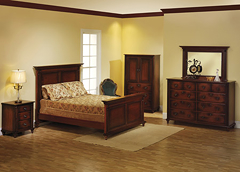
A decision by the Supreme Court not to hear a case challenging the Byrd Amendment could mean that as much as $137 million now held up by the U.S. government will be distributed to the petitioners supporting the antidumping case involving Chinese-made wood bedroom furniture.
The court decided not to hear a case involving ball bearings producer SKF USA Inc. The company had argued that as a U.S. producer, it had a right to receive a portion of antidumping duties collected under a government provision known as the Byrd Amendment.
Under the provision, duties the government collects from importers are paid to companies that were part of a petition supporting an antidumping case. SKF argued that the provision violated free speech laws because it forced it to take a position on antidumping.
A federal appeals court ruled against SKF, and with the Supreme Court's decision, it appears that ruling will stand.
The ball bearing case and other related cases have caused U.S. Customs and Border Protection to delay paying some of the duties collected in various antidumping cases over the past several years, including a portion of the funds collected from importers of Chinese-made wood bedroom furniture.
In 2003, a group of U.S. producers petitioned the U.S. government to investigate whether the U.S. industry was injured due to unfairly priced Chinese bedroom imports. Based on this investigation, the government determined there was sufficient evidence of injury to impose duties on Chinese bedroom producers, starting in June 2004.
Later, several U.S. furniture producers that didn't initially support the antidumping case — including Ashley Furniture, Ethan Allen, Furniture Brands International, Kimball Furniture, Orleans Furniture, Solid Comfort, Standard Furniture and Witmer Inds. — sought to collect millions of dollars in duties paid on imported Chinese-made bedrooms since 2004.
Todd Evans, executive vice president of sales and marketing for Standard, said the company was disappointed in the development but that it understands the court's decision. He also said the company plans to continue pursuing the case based on its desire for a level playing field in international trade.
“It definitely is a speed bump, but I don't think it is closed yet,” Evans said.
Representatives of Furniture Brands and Ethan Allen declined to comment on the case. David Callen, vice president of finance and treasurer for Ethan Allen Global, said the company was still evaluating the Supreme Court's decision.
It's unclear if SKF and the furniture producers seeking funds can pursue their cases further. According to legal sources, a number of related cases before the U.S. Court of International Trade could still hold up the distribution of funds that Customs had held back.
Joe Dorn, an attorney with the Washington law firm King & Spalding, which represents the petitioners, declined to speculate on the matter. But he said he was pleased the Supreme Court refused to hear the case, saying it's now clear that neither the appeals court decision nor the Byrd Amendment violate free speech or equal protection laws.
In early 2006, Congress repealed the Byrd Amendment based on concerns from the World Trade Organization about the legality of distributing the duties. That change meant that duties collected after October 2007 would go directly to the U.S. government and not the petitioners.
However, any duties collected before then, including the monies held up by U.S. Customs, still are technically owed to the petitioners.
“We would hope that Customs will act promptly to release these funds to the parties that rightly deserve them,” Dorn said.
Jeffrey Grimson is an attorney with Washington, D.C.-based Mowry & Grimson, which represents Ashley, Kimball, Standard, Orleans and Witmer in the Byrd appeal. He and firm partner Jill Cramer said the Supreme Court ruling may not be the final determining factor in the case.
“What we have here is the U.S. government taking a big pot of money from one group of Americans and paying it out to another group,” they said in a statement. “Our clients employ thousands of American workers manufacturing furniture who deserve their rights. The Supreme Court's decision resolves some but not all of the Constitutional claims raised by our clients, so we do not consider this to be the final word on the legality of the Byrd Amendment.”
The court decided not to hear a case involving ball bearings producer SKF USA Inc. The company had argued that as a U.S. producer, it had a right to receive a portion of antidumping duties collected under a government provision known as the Byrd Amendment.
Under the provision, duties the government collects from importers are paid to companies that were part of a petition supporting an antidumping case. SKF argued that the provision violated free speech laws because it forced it to take a position on antidumping.
A federal appeals court ruled against SKF, and with the Supreme Court's decision, it appears that ruling will stand.
The ball bearing case and other related cases have caused U.S. Customs and Border Protection to delay paying some of the duties collected in various antidumping cases over the past several years, including a portion of the funds collected from importers of Chinese-made wood bedroom furniture.
In 2003, a group of U.S. producers petitioned the U.S. government to investigate whether the U.S. industry was injured due to unfairly priced Chinese bedroom imports. Based on this investigation, the government determined there was sufficient evidence of injury to impose duties on Chinese bedroom producers, starting in June 2004.
Later, several U.S. furniture producers that didn't initially support the antidumping case — including Ashley Furniture, Ethan Allen, Furniture Brands International, Kimball Furniture, Orleans Furniture, Solid Comfort, Standard Furniture and Witmer Inds. — sought to collect millions of dollars in duties paid on imported Chinese-made bedrooms since 2004.
Todd Evans, executive vice president of sales and marketing for Standard, said the company was disappointed in the development but that it understands the court's decision. He also said the company plans to continue pursuing the case based on its desire for a level playing field in international trade.
“It definitely is a speed bump, but I don't think it is closed yet,” Evans said.
Representatives of Furniture Brands and Ethan Allen declined to comment on the case. David Callen, vice president of finance and treasurer for Ethan Allen Global, said the company was still evaluating the Supreme Court's decision.
It's unclear if SKF and the furniture producers seeking funds can pursue their cases further. According to legal sources, a number of related cases before the U.S. Court of International Trade could still hold up the distribution of funds that Customs had held back.
Joe Dorn, an attorney with the Washington law firm King & Spalding, which represents the petitioners, declined to speculate on the matter. But he said he was pleased the Supreme Court refused to hear the case, saying it's now clear that neither the appeals court decision nor the Byrd Amendment violate free speech or equal protection laws.
In early 2006, Congress repealed the Byrd Amendment based on concerns from the World Trade Organization about the legality of distributing the duties. That change meant that duties collected after October 2007 would go directly to the U.S. government and not the petitioners.
However, any duties collected before then, including the monies held up by U.S. Customs, still are technically owed to the petitioners.
“We would hope that Customs will act promptly to release these funds to the parties that rightly deserve them,” Dorn said.
Jeffrey Grimson is an attorney with Washington, D.C.-based Mowry & Grimson, which represents Ashley, Kimball, Standard, Orleans and Witmer in the Byrd appeal. He and firm partner Jill Cramer said the Supreme Court ruling may not be the final determining factor in the case.
“What we have here is the U.S. government taking a big pot of money from one group of Americans and paying it out to another group,” they said in a statement. “Our clients employ thousands of American workers manufacturing furniture who deserve their rights. The Supreme Court's decision resolves some but not all of the Constitutional claims raised by our clients, so we do not consider this to be the final word on the legality of the Byrd Amendment.”
By Thomas Russell -- Furniture Today, May 24, 2010
Source: www.furnituretoday.com
Source: www.furnituretoday.com
Các tin khác
- Following the imposition of the highest tariff of 37.13%, the Ministry of Industry and Trade is reviewing galvanized steel from China (19/06/2026)
- Official tariffs have been imposed on colorless float glass imported from Indonesia and Malaysia (19/06/2026)
- India seeks to continue anti-dumping duties on Bangladesh’s jute products (19/06/2026)
- Turkey Initiates Anti-Dumping Investigation into Polyester Cord Fabric from Viet Nam (19/06/2026)
- Chinese dumping in Brazil affected the entire garlic supply chain (19/06/2026)