Home
Home
 About Us



Aptindo upset over delay in imposing antidumping duties
01/04/2010 12:00
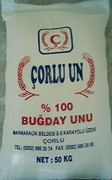
Indonesian Flour Producers Association (Aptindo) has accused flour importers of intervening with the government to avoid imposition of antidumping duties against flour from Turkey.
The association’s executive director Ratna Sari Loppies alleged in Jakarta on Wednesday that strong lobbying by flour importers had influenced government decisions.
Cheap flour imported from Turkey continued to flood the Indonesian market due to this delay, she said. “I suspect that there is strong lobbying by importers,” she told The Jakarta Post.
Antidumping duties are imposed, usually on the top of normal import duties, to counter dumping, by which an exporter sells their products in a country at prices below production costs and or below its selling price in its home market.
Meanwhile on the government side, the Finance Ministry, which is authorized to impose such duties, “say they still need more time for discussion”, said Ratna.
“Pak Anggito Abimanyu [the Finance Ministry Head of its Fiscal Policy Agency] was quoted as saying in a newspaper that the enforcement of antidumping duties will hurt national interests. Aren’t we part of national interests then?” she said.
Anggito could not be reached for comments.
According to Aptindo data, Aptindo members PT Sriboga Ratu Raya, PT Eastern Pearl and PT Pangan Mas had filed a petition with the Indonesian Antidumping Committee (KADI) on Oct. 16, 2008, followed by an investigation made by the KADI on Nov. 17, 2008.
The KADI submitted its recommendations to the Finance Ministry on Dec. 31, 2009, asking for a decision to impose antidumping duties against Turkish flour imports, three days after KADI had issued a final report setting out the results of their investigation.
But no decision has so far been made by the Finance Ministry based on the KADI’s recommendation.
In one case it reportedly took the ministry about two years from the submission of KADI’s recommendation to the imposing antidumping duties.
Ratna also said the government needed to move immediately as the import of Turkish flour continued to increase into the domestic market.
“Even in 2009, flour imports from Turkey were almost as much as the production of the country’s second largest flour producer and exceeded the amount of flour produced by other domestic flour companies,” she said, referring to the top producer as being Eastern Pearl, followed by Sriboga Ratu Raya and Pangan Mas. “This is an alarming situation,” she added.
The association’s executive director Ratna Sari Loppies alleged in Jakarta on Wednesday that strong lobbying by flour importers had influenced government decisions.
Cheap flour imported from Turkey continued to flood the Indonesian market due to this delay, she said. “I suspect that there is strong lobbying by importers,” she told The Jakarta Post.
Antidumping duties are imposed, usually on the top of normal import duties, to counter dumping, by which an exporter sells their products in a country at prices below production costs and or below its selling price in its home market.
Meanwhile on the government side, the Finance Ministry, which is authorized to impose such duties, “say they still need more time for discussion”, said Ratna.
“Pak Anggito Abimanyu [the Finance Ministry Head of its Fiscal Policy Agency] was quoted as saying in a newspaper that the enforcement of antidumping duties will hurt national interests. Aren’t we part of national interests then?” she said.
Anggito could not be reached for comments.
According to Aptindo data, Aptindo members PT Sriboga Ratu Raya, PT Eastern Pearl and PT Pangan Mas had filed a petition with the Indonesian Antidumping Committee (KADI) on Oct. 16, 2008, followed by an investigation made by the KADI on Nov. 17, 2008.
The KADI submitted its recommendations to the Finance Ministry on Dec. 31, 2009, asking for a decision to impose antidumping duties against Turkish flour imports, three days after KADI had issued a final report setting out the results of their investigation.
But no decision has so far been made by the Finance Ministry based on the KADI’s recommendation.
In one case it reportedly took the ministry about two years from the submission of KADI’s recommendation to the imposing antidumping duties.
Ratna also said the government needed to move immediately as the import of Turkish flour continued to increase into the domestic market.
“Even in 2009, flour imports from Turkey were almost as much as the production of the country’s second largest flour producer and exceeded the amount of flour produced by other domestic flour companies,” she said, referring to the top producer as being Eastern Pearl, followed by Sriboga Ratu Raya and Pangan Mas. “This is an alarming situation,” she added.
Mustaqim Adamrah , The Jakarta Post , Jakarta | Thu, 03/25/2010 10:35 AM | Business
Source: www.canadianbusiness.com
Source: www.canadianbusiness.com
Các tin khác
- Following the imposition of the highest tariff of 37.13%, the Ministry of Industry and Trade is reviewing galvanized steel from China (19/06/2026)
- Official tariffs have been imposed on colorless float glass imported from Indonesia and Malaysia (19/06/2026)
- India seeks to continue anti-dumping duties on Bangladesh’s jute products (19/06/2026)
- Turkey Initiates Anti-Dumping Investigation into Polyester Cord Fabric from Viet Nam (19/06/2026)
- Chinese dumping in Brazil affected the entire garlic supply chain (19/06/2026)