Home
Home
 About Us


Japan raises tariff on U.S. frozen beef
01/08/2017 12:00
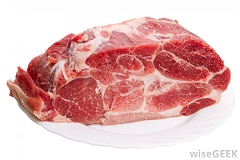
Japan’s total frozen beef imports in the first quarter of its fiscal year were large enough — by a margin of just 113 metric tons — to trigger a safeguard that will raise the tariff on U.S. frozen beef to 50 percent until April.
The Japanese government has announced that increasing imports of frozen beef have triggered a decades-old safeguard measure meant to protect its domestic beef producers, resulting in an automatic increase in tariffs on imported frozen beef.
The temporary nine-month increase affects exporting countries that do not have an economic partnership agreement with Japan, including the U.S.
That means the tariff on U.S. exports of frozen beef to the island nation are to jump from 38.5 percent to 50 percent beginning Aug. 1 and continuing through the remainder of the Japanese fiscal year, which ends next March 31.
Separate quarterly safeguards for frozen and chilled beef imports were established in 1994 in the World Trade Organization Uruguay Round. Higher tariffs are triggered when imports increase by more than 17 percent in any quarter compared to the corresponding quarter in the previous year.
Japan is the top market for U.S. beef, both in volume and value, importing almost 259,000 metric tons valued at $1.5 billion in 2016. Those exports increased 26 percent in volume and 18 percent in value year over year, according to the U.S. Meat Export Federation.
Japan’s imports of U.S. beef January through May were up 28 percent in volume and 32 percent in value year over year to $731 million, with frozen beef accounting for 45 percent of the shipments. U.S. beef accounted for 35 percent of Japan’s frozen beef imports during that period, while Australia had 53.5 percent of the market share.
The implications for U.S. beef exports are significant because U.S. frozen beef now faces an even bigger tariff disadvantage against Australian beef. The duty on Australian beef will remain at the 27.2 percent established in the Japan-Australia Economic Partnership Agreement, while the duty on U.S. frozen beef will increase to 50 percent, USMEF stated.
“It is not yet clear how much of an impact the higher duty will have on U.S. beef exports to Japan, but it will certainly add costs and dampen demand in the largest growth market for U.S. beef, and at a time when larger U.S. production is expected in the second half of the year,” USMEF said.
Craig Uden, president of the National Cattlemen’s Beef Association, said his organization is “very disappointed” with the tariff increase, as anything that restricts U.S. beef sales to Japan will have a negative impact on ranching families and Japanese customers.
U.S. producers lose access, and beef becomes a lot more expensive for Japanese consumers, he said.
“NCBA opposes artificial barriers like these because they unfairly distort the market and punish both producers and consumers. Nobody wins in this situation,” he said.
This unfortunate development underscores the urgent need for a bilateral agreement with Japan absent the Trans-Pacific Partnership, he said.
Japan has moved away from quarterly safeguards in recent trade agreements, such as the one with Australia. That agreement has annual safeguards, which are much less likely to be triggered, USMEF said.
Conditions have changed since the quarterly safeguards were established in 1994, and the growth in Japan’s imports this year has not adversely impacted Japan’s domestic beef producers. Prices for wagyu carcasses and wagyu feeder cattle, a Japanese breed, are down from the record highs of last year, but are otherwise the highest in recent history, according to USMEF.
The Japanese government has announced that increasing imports of frozen beef have triggered a decades-old safeguard measure meant to protect its domestic beef producers, resulting in an automatic increase in tariffs on imported frozen beef.
The temporary nine-month increase affects exporting countries that do not have an economic partnership agreement with Japan, including the U.S.
That means the tariff on U.S. exports of frozen beef to the island nation are to jump from 38.5 percent to 50 percent beginning Aug. 1 and continuing through the remainder of the Japanese fiscal year, which ends next March 31.
Separate quarterly safeguards for frozen and chilled beef imports were established in 1994 in the World Trade Organization Uruguay Round. Higher tariffs are triggered when imports increase by more than 17 percent in any quarter compared to the corresponding quarter in the previous year.
Japan is the top market for U.S. beef, both in volume and value, importing almost 259,000 metric tons valued at $1.5 billion in 2016. Those exports increased 26 percent in volume and 18 percent in value year over year, according to the U.S. Meat Export Federation.
Japan’s imports of U.S. beef January through May were up 28 percent in volume and 32 percent in value year over year to $731 million, with frozen beef accounting for 45 percent of the shipments. U.S. beef accounted for 35 percent of Japan’s frozen beef imports during that period, while Australia had 53.5 percent of the market share.
The implications for U.S. beef exports are significant because U.S. frozen beef now faces an even bigger tariff disadvantage against Australian beef. The duty on Australian beef will remain at the 27.2 percent established in the Japan-Australia Economic Partnership Agreement, while the duty on U.S. frozen beef will increase to 50 percent, USMEF stated.
“It is not yet clear how much of an impact the higher duty will have on U.S. beef exports to Japan, but it will certainly add costs and dampen demand in the largest growth market for U.S. beef, and at a time when larger U.S. production is expected in the second half of the year,” USMEF said.
Craig Uden, president of the National Cattlemen’s Beef Association, said his organization is “very disappointed” with the tariff increase, as anything that restricts U.S. beef sales to Japan will have a negative impact on ranching families and Japanese customers.
U.S. producers lose access, and beef becomes a lot more expensive for Japanese consumers, he said.
“NCBA opposes artificial barriers like these because they unfairly distort the market and punish both producers and consumers. Nobody wins in this situation,” he said.
This unfortunate development underscores the urgent need for a bilateral agreement with Japan absent the Trans-Pacific Partnership, he said.
Japan has moved away from quarterly safeguards in recent trade agreements, such as the one with Australia. That agreement has annual safeguards, which are much less likely to be triggered, USMEF said.
Conditions have changed since the quarterly safeguards were established in 1994, and the growth in Japan’s imports this year has not adversely impacted Japan’s domestic beef producers. Prices for wagyu carcasses and wagyu feeder cattle, a Japanese breed, are down from the record highs of last year, but are otherwise the highest in recent history, according to USMEF.
Source: Capital Press
Các tin khác
- MoIT tightens 'Made in Viet Nam' criteria to combat trade fraud (12/06/2026)
- Viet Nam receives AD petition against Chinese prestressed steel bars (12/06/2026)
- India’s anti-dumping shield on Asian aluminium foil to stay up through 2026 (12/06/2026)
- Amended Customs Law: Removing 'bottlenecks' to help businesses accelerate import and export (12/06/2026)
- Expanding export markets in the era of integration (12/06/2026)