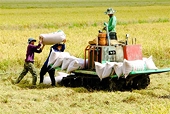
Vietnam’s rice export is forecast to continue reaping successes this year as the world's rice prices remain high at least in the short term as global economic and political uncertainties have resulted in a high demand for rice reserves.
Vietnamese exporters are required to swiftly grasp information in order to adjust production activities in line with market conditions amid global high inflation, along with rising domestic exchange rates and interest rates.
Vietnam’s textile, garment and footwear sectors aim to achieve a total export value of 77-80 billion USD in 2025 and 106-108 billion USD in 2030, according to the strategy for the development of Vietnam’s textile and footwear industry.
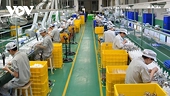
The Vietnamese manufacturing sector continued to face challenging business conditions in the opening month of the year amid falling output and a decline in new orders, although there are positive signs ahead.
Vietnamese businesses which want to export medicinal herbs to China must submit information about growing areas and packaging establishments to the provincial Departments of Agriculture and Rural Development.
As one of the main markets for Vietnamese fruit and vegetables, the recovery of exports to China will contribute to boosting Vietnam's fruit and vegetable industry in 2023.
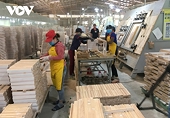
Australia increased its imports of wooden furniture from Southeast Asian markets last year, with Vietnam making up a significant portion of the overall figure, according to the Ministry of Industry and Trade.
Accordingly, for Việt Nam, spices that were previously controlled at a frequency of 50 per cent such as coriander, basil, mint and parsley have been removed from the control list.