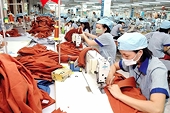
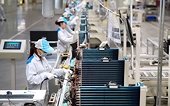
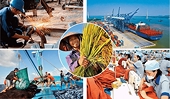
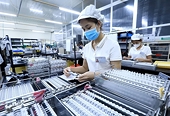
Viet Nam is gaining global attention as a fast-growing economy, with strong manufacturing performance, rising investment and deeper participation in global supply chains.
Viet Nam’s network of 17 free trade agreements (FTAs) has created plenty of room for export growth. However, the benefits of economic integration have yet to spread widely across the business community.
In the first two months of 2026, realized FDI capital in Viet Nam reached US$3.21 billion, an increase of 8.8% compared to the same period last year, the highest level in 5 years; South Korea and Singapore led in newly registered capital.
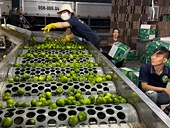
In the context of increasingly competitive global agricultural trade and constantly fluctuating logistics costs, post-harvest preservation is becoming one of the key "bottlenecks" of Vietnamese agriculture.
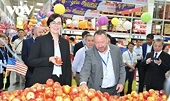
Viet Nam has emerged as one of the top five export markets for Washington apples, reflecting the growing demand for imported fruit in the Southeast Asian country, according to the Washington Apple Commission (WAC).
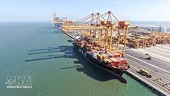
Viet Nam’s total foreign trade value reached 155.7 billion USD in the first two months of 2026, up 22.2% year-on-year, while the country recorded a trade deficit of 2.98 billion USD.
Viet Nam is entering a pivotal stage of development. After years of growth based on abundant labor and strong investment capital flows, the economy now faces a fundamental question: what will be the driver for the next journey?
Highly appreciating the investment and business environment in Viet Nam, Japanese businesses have currently invested in 5,738 projects in Viet Nam, with a total investment capital of nearly 79 billion USD.