Viet Nam will continue expanding imports of U.S. goods and opening its market wider to American products, while urging the U.S. to consider Viet Nam’s economic conditions in ongoing negotiations on a reciprocal tariff agreement.
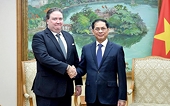
With market diversification a top priority in light of the Trump administration’s punishing tariffs, a recent state visit to Viet Nam should open doors to deepening trade, amongst other issues.
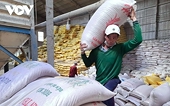
Rice continues to be one of Viet Nam’s key export products to Singapore, maintaining its position as the city-state’s third-largest supplier after India and Thailand.
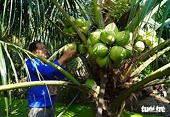
Viet Nam’s coconut exports are soaring, while Thailand’s aromatic coconut farmers are facing their worst crisis in years, with prices plunging to less than half the cost of production, according to Thai and Vietnamese media reports.
The International Trade Administration Commission of South Africa (Itac) has made a preliminary finding that certain steel products imported from China are being dumped and are causing material injury to the Southern African Customs Union (Sacu) steel industry.
Enhancing governance capacity, ensuring supply chain transparency and complying with rules of origin are key components to allow enterprises to cope with trade defence measures from international markets.
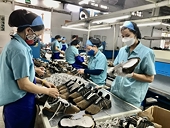
In the context of young workers and unskilled workers tending to work more freely, the leather, footwear and garment industries should consider older workers as a new recruitment direction.
 Home
Home
 About Us