Home
Home
 About Us



China confirms anti-dumping duties on local butyl alcohol
31/12/2018 12:00
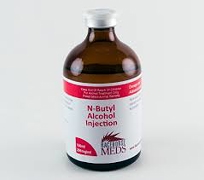
China has imposed anti-dumping duties on chemical companies in Taiwan, the US and Malaysia, effective from this past Saturday, after vendors from those countries were found to have sold butyl alcohol at unfairly low prices in China.
The Chinese Ministry of Commerce last week issued a final ruling in an investigation dating to Dec. 29 last year, finding that imports of butyl alcohol from the three economies have caused material damage to Chinese makers of the product.
Butyl alcohol is an important ingredient used in the production of a wide range of products such as paints, adhesives and plasticizers.
Among Taiwanese companies, Formosa Plastics Corp (台塑), a mandatory respondent in the case, was hit with an anti-dumping duty of 6 percent, while other local vendors are to face a 56.1 percent tariff, the ministry said in a statement.
The anti-dumping duties on local firms were the same in the final ruling as in a preliminary ruling issued in September and are to remain in place for five years.
Local media cited Formosa Plastics as saying that butyl alcohol accounted for only 1.3 percent of the company’s total sales last year and any financial burden associated with the punitive tariff was unlikely to have a negative material effect on its operations.
Formosa, the largest local butyl alcohol exporter, would diversify its buyers to avoid the duties, the reports said.
The tariffs imposed on Malaysian firms in the final ruling ranged between 12.7 percent and 26.7 percent, while duties on US firms ranged between 52.2 percent and 139.3 percent.
Global Trade Atlas data showed that Taiwan sold US$130.58 million of butyl alcohol to China last year, accounting for 55.8 percent of China’s total imports of the product.
That was followed by US$32.2 million (13.76 percent) of imports from the US, US$28.04 million (11.98 percent) from Saudi Arabia and US$18.42 million (7.87 percent) from Malaysia.
The Chinese Ministry of Commerce last week issued a final ruling in an investigation dating to Dec. 29 last year, finding that imports of butyl alcohol from the three economies have caused material damage to Chinese makers of the product.
Butyl alcohol is an important ingredient used in the production of a wide range of products such as paints, adhesives and plasticizers.
Among Taiwanese companies, Formosa Plastics Corp (台塑), a mandatory respondent in the case, was hit with an anti-dumping duty of 6 percent, while other local vendors are to face a 56.1 percent tariff, the ministry said in a statement.
The anti-dumping duties on local firms were the same in the final ruling as in a preliminary ruling issued in September and are to remain in place for five years.
Local media cited Formosa Plastics as saying that butyl alcohol accounted for only 1.3 percent of the company’s total sales last year and any financial burden associated with the punitive tariff was unlikely to have a negative material effect on its operations.
Formosa, the largest local butyl alcohol exporter, would diversify its buyers to avoid the duties, the reports said.
The tariffs imposed on Malaysian firms in the final ruling ranged between 12.7 percent and 26.7 percent, while duties on US firms ranged between 52.2 percent and 139.3 percent.
Global Trade Atlas data showed that Taiwan sold US$130.58 million of butyl alcohol to China last year, accounting for 55.8 percent of China’s total imports of the product.
That was followed by US$32.2 million (13.76 percent) of imports from the US, US$28.04 million (11.98 percent) from Saudi Arabia and US$18.42 million (7.87 percent) from Malaysia.
December 31, 2018
Source: Taipei Times
Source: Taipei Times
Các tin khác
- MoIT tightens 'Made in Viet Nam' criteria to combat trade fraud (12/06/2026)
- Viet Nam receives AD petition against Chinese prestressed steel bars (12/06/2026)
- India’s anti-dumping shield on Asian aluminium foil to stay up through 2026 (12/06/2026)
- Amended Customs Law: Removing 'bottlenecks' to help businesses accelerate import and export (12/06/2026)
- Expanding export markets in the era of integration (12/06/2026)