Home
Home
 About Us



WTO to report tariff rises to fight protectionism
22/12/2008 12:00
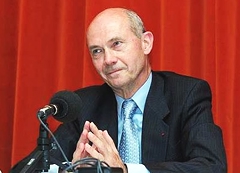
GENEVA, Dec 17 (Reuters) - The World Trade Organisation will start reporting tariff rises and similar moves by its members that limit trade, WTO Director-General Pascal Lamy said on Wednesday.
The WTO already monitors such trade measures, and hopes that reporting them will help prevent protectionism -- widely blamed for the ferocity of the 1930s Great Depression -- from taking hold in the current economic crisis.
The initiative also reflects a determined effort by the body that referees world trade to move beyond trade negotiations after the latest setback to the Doha round -- a decision last week not to call a meeting of ministers to seek a breakthrough.
"I believe that the WTO has a particular responsibility to follow up on the trade measures which have been taken in the wake of the financial crisis," Lamy told a meeting of the WTO's 153 members to prepare the ground for 2009.
WTO members have plenty of scope to raise tariffs, impose anti-dumping duties or take other trade-limiting steps while remaining within global commerce rules.
At last month's summit in Washington, leaders of the G20 rich and emerging nations agreed not to raise trade barriers over the next 12 months. Since then some countries inside and outside the WTO have done just that.
Lamy said the WTO might start issuing regular reports on trade measures as soon as this week, and start regular reviews among members in late January.
He also said the WTO must continue to monitor developments in trade finance, which is essential to the flow of goods but has been hit in the broader credit crunch.
STUMBLING BLOCKS REMAIN
Lamy said the Doha negotiations would continue, tackling remaining stumbling blocks in the core agriculture and industrial goods areas and catching up in other sectors.
Uruguay's WTO ambassador, Guillermo Valles Galmes, who chairs negotiations on trade rules which range from fisheries subsidies to measures to deal with unfairly priced imports, said he hoped to produce a revised negotiating text in a few days.
Several countries called for an "early harvest" of what has been agreed so far -- developing nations urged a deal on cotton. But Lamy said a deal on trade facilitation, making it easier to ship goods, had a better chance of support. [nLH489397]
U.S. ambassador Peter Allgeier said WTO members were closer than ever before to a Doha deal. "So we are not where we all had hoped we'd be by this ... meeting, but we are positioned well to move forward in the new year," he said.
U.S. concern about some proposals, including one to eliminate tariffs in some industrial sectors like chemicals, contributed to Lamy's decision not to hold a meeting this week.
Allgeier said negotiators now needed to flesh out the various industrial goods proposals, so that countries could see exactly what they would get and give with the overall tariff cuts, waivers and sector deals.
But Brazilian ambassador Roberto Azevedo, speaking on behalf of the G20 alliance that seeks a better agriculture deal for developing countries, warned against efforts by rich countries to water down the agriculture proposals.
"We regret that inflexibility and lack of leadership have prevailed precisely when ... the world economy faces its most severe crisis in 70 years," Azevedo said.
(Editing by Tim Pearce)
Wed 17 Dec 2008, 19:40 GMT
By Jonathan Lynn
Source: africa.reuters.com
Các tin khác
- Rising global shipping costs put pressure on Viet Nam’s seafood exporters (22/06/2026)
- India likely to retain anti-dumping duties on Bangladeshi jute products (22/06/2026)
- Japan slaps anti-dumping duties on Chinese, Taiwanese steel (22/06/2026)
- India initiates anti-dumping probe against a Chinese, Japanese chemical used in tyre, rubber items (22/06/2026)
- Reasons why the US continues to suspend customs clearance for Vietnamese trailers (22/06/2026)