Home
Home
 About Us



WTO To Probe Colombia's Compliance With Tariff Ruling
16/03/2017 12:00
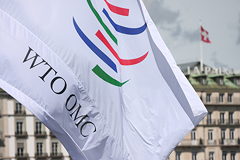
The Dispute Settlement Body (DSB) of the World Trade Organization (WTO) has agreed to determine whether Colombia has complied with an earlier WTO ruling regarding its import tariffs on textiles, apparel, and footwear.
The dispute concerns a compound tariff imposed by Colombia consisting of a 10 percent ad valorem component and a variable component. Panama launched a complaint against the tariff on June 18, 2013, arguing that in certain situations it exceeded the bound rates established for those products in Colombia's Schedule of Concessions, thereby violating WTO rules. A panel set up by the DSB supported Panama's claims.
In January 2017, Colombia sought to defend the measure saying that the imports affected by the compound tariff constitute "illicit trade" as they are imported at "artificially low prices" in order to launder money. However, the WTO panel said that Colombia failed to demonstrate that the compound tariff was either "designed" or "necessary" to fight money laundering.
Colombia has reiterated its position that it had brought itself into compliance with the DSB's recommendations and rulings in the dispute within the reasonable period of time, which expired on January 22, 2017. It has now requested that a new panel should decide whether it has met the settlement body's recommendations.
The option of allowing an arbitration panel to decide whether a country has come into compliance with dispute settlement recommendations is open to all WTO members when the parties disagree on whether the losing member has implemented the necessary recommendations and rulings. Colombia's request for such a panel was granted by the DSB at a special meeting on March 6, despite objections from Panama that it failed to first hold consultations prior to the request.
The DSB agreed to refer to the original panel the matter raised by Colombia.
The dispute concerns a compound tariff imposed by Colombia consisting of a 10 percent ad valorem component and a variable component. Panama launched a complaint against the tariff on June 18, 2013, arguing that in certain situations it exceeded the bound rates established for those products in Colombia's Schedule of Concessions, thereby violating WTO rules. A panel set up by the DSB supported Panama's claims.
In January 2017, Colombia sought to defend the measure saying that the imports affected by the compound tariff constitute "illicit trade" as they are imported at "artificially low prices" in order to launder money. However, the WTO panel said that Colombia failed to demonstrate that the compound tariff was either "designed" or "necessary" to fight money laundering.
Colombia has reiterated its position that it had brought itself into compliance with the DSB's recommendations and rulings in the dispute within the reasonable period of time, which expired on January 22, 2017. It has now requested that a new panel should decide whether it has met the settlement body's recommendations.
The option of allowing an arbitration panel to decide whether a country has come into compliance with dispute settlement recommendations is open to all WTO members when the parties disagree on whether the losing member has implemented the necessary recommendations and rulings. Colombia's request for such a panel was granted by the DSB at a special meeting on March 6, despite objections from Panama that it failed to first hold consultations prior to the request.
The DSB agreed to refer to the original panel the matter raised by Colombia.
Mar 9, 2017
Source: Tax News
Source: Tax News
Các tin khác
- New-generation FTAs open wider export opportunities to Middle East and South Asia (15/06/2026)
- Updated regulations on foreign trade management and import quotas (15/06/2026)
- Mandatory traceability for high-risk goods from July 1st: What should businesses prepare for? (15/06/2026)
- Tariff pressure is forcing businesses to restructure in order to adapt. (15/06/2026)
- Coffee Citizens model aims to lift Vietnamese value chain (15/06/2026)