Home
Home
 About Us



WTO Members Warn Against Protectionism in Face of Crisis
11/02/2009 12:00
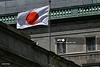
Tokyo. Fifteen nations including Japan and Brazil, and backed separately by China, launched an appeal against trade protectionism to underline their concern over how countries are responding to the economic crisis, Tokyo said on Monday.
The group — which includes South Korea, Taiwan and Turkey — issued the emergency statement at the World Trade Organization in Geneva, Japanese foreign ministry official Akihiro Okochi said.
“Given the unprecedented economic crisis and potential rise in protectionist sentiment, WTO members need to be aware of a possible increase in antidumping actions and to avoid the unwarranted use of such measures,” the statement said.
Among recent policies to have been criticized as protectionist are French President Nicolas Sarkozy’s suggestion of government help for its automobile industry to keep factories at home, and a “Buy America” clause in a US stimulus plan, which has since been watered down.
Other nations or territories signing the statement last week in Geneva were Chile, Colombia, Costa Rica, Hong Kong, Israel, Mexico, Norway, Singapore, Switzerland and Thailand, the official said.
The 15 are known as the “anti-dumping friends,” as they are pressing the United States to change its method of calculating antidumping duties, which they see as skewed to protect domestic products.
Negotiations over rules of trade — including antidumping measures and subsidies — are part of the Doha round of multilateral trade talks that started in the Qatari capital of Doha in 2001. The round has been deadlocked mostly because of disagreements between rich and developing nations over agriculture.
Meanwhile, the global financial meltdown is having an increasing impact on the Chinese economy, hurting consumption, but recent stimulus measures will pave the way for a recovery in spending, the commerce ministry said on Monday.
“A slowing economy has dented residential income growth as well as consumer expectations,” the ministry said. “Some consumption hot spots are starting to cool off.”
China promised on Monday to avoid “Buy China” protectionist measures in its multibillion-dollar stimulus and appealed to other governments to support free trade.
“China will not practice ‘Buy China.’ We will treat domestic and foreign goods equally so long as we need them,” said a deputy commerce minister, Jiang Zengwei. Jiang made no mention of controversy over a measure in Washington’s proposed stimulus to favor US iron and steel producers, which has drawn criticism from Japan, Australia and Canada. But he called on foreign governments to promote trade.
Foreign companies are worried Beijing might try to favor Chinese companies. But measures announced so far appear to treat suppliers equally. The government says foreign appliance manufacturers are eligible to take part in a program that subsidizes purchases of electrical goods by rural households.
“Under these circumstances, I believe every country must energetically develop international trade,” Jiang said. “Why would one want to practice protectionism in the current situation?” The impact of the global economic crisis on China is growing, Jiang added, though he gave no details and did not respond to a question about January’s economic performance. The government has yet to release January trade or other figures.
China launched a 4 trillion yuan ($585 billion) stimulus plan in November to boost domestic demand and has since rolled out measures to expand medical insurance with the aim of reducing precautionary saving and spurring consumption.
The ministry pledged to continue to expand rural consumption and to facilitate consolidation of big retail chains.
Retail sales rose 13.8 percent, stronger than expected, during the weeklong Lunar New Year holiday from a year earlier to reach 290 billion yuan, Jiang said.
He said China aimed to create about 450,000 jobs this year and a further 325,000 in 2010 by encouraging the establishment of retail stores in the countryside.
This will help migrant workers who have returned home after having lost their factory jobs in eastern China due to a slump in export demand.
About 20 million migrant workers have already lost their jobs, the government said last week, and one in five companies in China’s ailing export hub of Guangdong may soon lay off workers, according to an official labor survey.
The group — which includes South Korea, Taiwan and Turkey — issued the emergency statement at the World Trade Organization in Geneva, Japanese foreign ministry official Akihiro Okochi said.
“Given the unprecedented economic crisis and potential rise in protectionist sentiment, WTO members need to be aware of a possible increase in antidumping actions and to avoid the unwarranted use of such measures,” the statement said.
Among recent policies to have been criticized as protectionist are French President Nicolas Sarkozy’s suggestion of government help for its automobile industry to keep factories at home, and a “Buy America” clause in a US stimulus plan, which has since been watered down.
Other nations or territories signing the statement last week in Geneva were Chile, Colombia, Costa Rica, Hong Kong, Israel, Mexico, Norway, Singapore, Switzerland and Thailand, the official said.
The 15 are known as the “anti-dumping friends,” as they are pressing the United States to change its method of calculating antidumping duties, which they see as skewed to protect domestic products.
Negotiations over rules of trade — including antidumping measures and subsidies — are part of the Doha round of multilateral trade talks that started in the Qatari capital of Doha in 2001. The round has been deadlocked mostly because of disagreements between rich and developing nations over agriculture.
Meanwhile, the global financial meltdown is having an increasing impact on the Chinese economy, hurting consumption, but recent stimulus measures will pave the way for a recovery in spending, the commerce ministry said on Monday.
“A slowing economy has dented residential income growth as well as consumer expectations,” the ministry said. “Some consumption hot spots are starting to cool off.”
China promised on Monday to avoid “Buy China” protectionist measures in its multibillion-dollar stimulus and appealed to other governments to support free trade.
“China will not practice ‘Buy China.’ We will treat domestic and foreign goods equally so long as we need them,” said a deputy commerce minister, Jiang Zengwei. Jiang made no mention of controversy over a measure in Washington’s proposed stimulus to favor US iron and steel producers, which has drawn criticism from Japan, Australia and Canada. But he called on foreign governments to promote trade.
Foreign companies are worried Beijing might try to favor Chinese companies. But measures announced so far appear to treat suppliers equally. The government says foreign appliance manufacturers are eligible to take part in a program that subsidizes purchases of electrical goods by rural households.
“Under these circumstances, I believe every country must energetically develop international trade,” Jiang said. “Why would one want to practice protectionism in the current situation?” The impact of the global economic crisis on China is growing, Jiang added, though he gave no details and did not respond to a question about January’s economic performance. The government has yet to release January trade or other figures.
China launched a 4 trillion yuan ($585 billion) stimulus plan in November to boost domestic demand and has since rolled out measures to expand medical insurance with the aim of reducing precautionary saving and spurring consumption.
The ministry pledged to continue to expand rural consumption and to facilitate consolidation of big retail chains.
Retail sales rose 13.8 percent, stronger than expected, during the weeklong Lunar New Year holiday from a year earlier to reach 290 billion yuan, Jiang said.
He said China aimed to create about 450,000 jobs this year and a further 325,000 in 2010 by encouraging the establishment of retail stores in the countryside.
This will help migrant workers who have returned home after having lost their factory jobs in eastern China due to a slump in export demand.
About 20 million migrant workers have already lost their jobs, the government said last week, and one in five companies in China’s ailing export hub of Guangdong may soon lay off workers, according to an official labor survey.
Agencies
February 10, 2009
Source: www.thejakartaglobe.com
February 10, 2009
Source: www.thejakartaglobe.com
Các tin khác
- Rising global shipping costs put pressure on Viet Nam’s seafood exporters (22/06/2026)
- India likely to retain anti-dumping duties on Bangladeshi jute products (22/06/2026)
- Japan slaps anti-dumping duties on Chinese, Taiwanese steel (22/06/2026)
- India initiates anti-dumping probe against a Chinese, Japanese chemical used in tyre, rubber items (22/06/2026)
- Reasons why the US continues to suspend customs clearance for Vietnamese trailers (22/06/2026)