Home
Home
 About Us



WTO Gives US 6 Months to Reform Steel Tariffs
18/06/2015 10:21
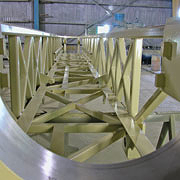
The US has until the end of April to bring its taxes on imports of Mexican steel in line with international commerce rules, the WTO ruled on Friday.
The US imposed tariffs on the lower-priced Mexican goods to protect its domestic market under the WTO’s Anti-Dumping Agreement, but Mexico objected to the method Washington used to calculate the size of the tariff. In April, a WTO appellate decision upheld the Mexican claim, but did not specify a timeline for actions to be taken.
Mexico originally pushed for a mid-December compliance deadline, arguing that the US had had plenty of time since the April ruling to pass the necessary legislation. The US, however, argued for a 15-month period after the report was issued, the maximum recommended amount, putting the compliance date at the end of August 2009. The US cited the complex legislative system and the fact that the legislation would need to be addressed by the new Congress in 2009 since the current session was too close to its adjournment date. April or May would be the absolute earliest that any legislation could be passed, the US had argued.
The dispute revolves around Washington’s use of a controversial method known as ‘zeroing’ in its dumping investigations. When calculating the extent to which imports are being ‘dumped’ - that is, exported at artificially low prices - US trade authorities ignore (’zero out’) instances where goods command higher prices in the US than at home. They only take into account cases where prices in the US are lower, saying there’s no need to include cases in which dumping does not occur into the equation. Critics say that this inflates ‘dumping margins’, allowing injured US companies to secure inappropriately high levels of anti-dumping duties on competing imports. The WTO has consistently ruled against the US in similar cases with the EU, Canada, Japan, and many others.
If the US does not comply within the specified time, Mexico can seek a compliance investigation from the WTO, which could potentially lead to punitive sanctions. Many US Congressional leaders consider these rulings to be overstepping the mandate of the WTO appeals body, as the body can only apply agreements that the US and other countries have already negotiated when writing a report
Zeroing took another blow earlier this month when the WTO condemned the practice in a case brought to it by the EU concerning a variety of different exports. In the Doha Round, the US is trying to get the method recognized in any emerging trade deal in an attempt to make it more viable.
ICTSD reporting. ‘WTO sets U.S. deadline in Mexico steel case,’ FORBES, 31 October, 2008. ‘WTO: US has 6 months to fix Mexican steel charges,’ ASSOCIATED PRESS, 31 October, 2008.
The US imposed tariffs on the lower-priced Mexican goods to protect its domestic market under the WTO’s Anti-Dumping Agreement, but Mexico objected to the method Washington used to calculate the size of the tariff. In April, a WTO appellate decision upheld the Mexican claim, but did not specify a timeline for actions to be taken.
Mexico originally pushed for a mid-December compliance deadline, arguing that the US had had plenty of time since the April ruling to pass the necessary legislation. The US, however, argued for a 15-month period after the report was issued, the maximum recommended amount, putting the compliance date at the end of August 2009. The US cited the complex legislative system and the fact that the legislation would need to be addressed by the new Congress in 2009 since the current session was too close to its adjournment date. April or May would be the absolute earliest that any legislation could be passed, the US had argued.
The dispute revolves around Washington’s use of a controversial method known as ‘zeroing’ in its dumping investigations. When calculating the extent to which imports are being ‘dumped’ - that is, exported at artificially low prices - US trade authorities ignore (’zero out’) instances where goods command higher prices in the US than at home. They only take into account cases where prices in the US are lower, saying there’s no need to include cases in which dumping does not occur into the equation. Critics say that this inflates ‘dumping margins’, allowing injured US companies to secure inappropriately high levels of anti-dumping duties on competing imports. The WTO has consistently ruled against the US in similar cases with the EU, Canada, Japan, and many others.
If the US does not comply within the specified time, Mexico can seek a compliance investigation from the WTO, which could potentially lead to punitive sanctions. Many US Congressional leaders consider these rulings to be overstepping the mandate of the WTO appeals body, as the body can only apply agreements that the US and other countries have already negotiated when writing a report
Zeroing took another blow earlier this month when the WTO condemned the practice in a case brought to it by the EU concerning a variety of different exports. In the Doha Round, the US is trying to get the method recognized in any emerging trade deal in an attempt to make it more viable.
ICTSD reporting. ‘WTO sets U.S. deadline in Mexico steel case,’ FORBES, 31 October, 2008. ‘WTO: US has 6 months to fix Mexican steel charges,’ ASSOCIATED PRESS, 31 October, 2008.
6th November 2008
Source: ictsd.net
Source: ictsd.net
Các tin khác
- New-generation FTAs open wider export opportunities to Middle East and South Asia (15/06/2026)
- Updated regulations on foreign trade management and import quotas (15/06/2026)
- Mandatory traceability for high-risk goods from July 1st: What should businesses prepare for? (15/06/2026)
- Tariff pressure is forcing businesses to restructure in order to adapt. (15/06/2026)
- Coffee Citizens model aims to lift Vietnamese value chain (15/06/2026)