Home
Home
 About Us



US trade groups address Mexico pork anti-dumping investigation
28/01/2026 11:08
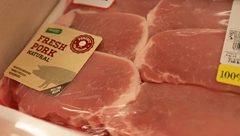
US industry groups say export volumes and prices reflect demand conditions rather than unfair trade practices.
The US Meat Export Federation has confirmed it is coordinating with the National Pork Producers Council and the Office of the US Trade Representative as Mexico investigates US pork imports for alleged dumping and subsidies.
Mexico’s International Commercial Practices Unit initiated the inquiry on December 15, 2025, focusing on pork hams and shoulders shipped from the United States.
The investigation examines trade activity conducted between January 1, 2024, and December 31, 2024, a period that saw record volumes of US pork entering the Mexican market.
Mexican authorities are expected to issue a final ruling by September 1, and a finding against US exporters could result in additional duties on affected pork products.
In response, USMEF has been gathering and submitting data to Mexican regulators to demonstrate that pricing trends stem from strong buyer demand rather than sales below fair market value.
Erin Borror, vice president of economic analysis at USMEF, said market behavior shows Mexican importers actively competing for US pork supplies.
According to Borror, buyers in Mexico have been willing to pay higher prices and secure larger shipments because of sustained domestic demand for specific cuts, particularly hams.
She noted that US pork output has remained relatively stable since production reached its high point in 2020, limiting the possibility of excess supply being offloaded at artificially low prices.
From her perspective, the price increases seen in recent years align with basic demand dynamics rather than any attempt to undercut competitors.
Disease pressures shaping demand
Borror also pointed to animal health challenges as a factor influencing Mexico’s reliance on imported pork.
She explained that outbreaks of porcine reproductive and respiratory syndrome and porcine epidemic diarrhea have affected pork producers in Mexico, reducing local output.
As a result, imports have played a larger role in filling supply gaps, contributing to higher volumes of US pork entering the country.
This situation, she said, reflects structural needs within the Mexican market rather than distortions created by foreign exporters.
Mexico’s role in US pork trade
Mexico remains the largest destination for US pork exports, making the outcome of the investigation significant for producers and processors.
Borror said Mexico is especially important for shipments of pork hams, which are central to the current case.
She added that trade flows across the border have become deeply integrated, with Mexican demand shaping how certain cuts are marketed and priced.
While the investigation proceeds, US trade groups say they will continue working with government agencies and industry partners to defend access to the Mexican market.
Các tin khác
- U.S. to Impose Duties on Mexican, Thai, Vietnamese Chassis (03/06/2026)
- Mexican sugar producers push to scrap U.S. import quotas (03/06/2026)
- Japan launched an anti-dumping investigation into flat steel imports from three countries (03/06/2026)
- Eurochem challenges anti-dumping duties in the EU (03/06/2026)
- Pangasius prices in Viet Nam surge due to high export demand (03/06/2026)