Home
Home
 About Us



The Philippines: Safeguard duty imposed on 2 types of vehicles
06/01/2021 12:00
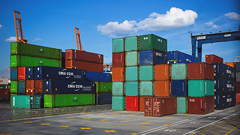
The Department of Trade and Industry’s (DTI) said it will impose a provisional safeguard duty in form of a cash bond amounting to P70,000 per unit for imported passenger cars and P110,000 per unit imported for light commercial vehicles.
In a statement on Monday, the DTI said the preliminary determination on the petition for safeguard measures filed by the Philippine Metalworkers Alliance found that increased importation of passenger cars and light commercial vehicles is a substantial cause of serious injury to the domestic motor vehicle manufacturing industry.
DTI’s preliminary determination also found that critical circumstances exist where delay in the imposition of a measure would cause damage to the industry, which would be difficult to repair.
“The Philippines has one of the most open markets relative to our Asean neighbors. While we generally do not restrict products coming into the market, we also need to ensure a level playing field for our local industry,” Trade Secretary Ramon Lopez said. Asean is the Association of Southeast Asian Nations.
The provisional safeguard measures take effect for 200 days from the issuance of an order by the Commissioner of Customs and while the case is under formal investigation by the Tariff Commission.
“The provisional safeguard measures will provide a breathing space to the domestic industry, which has been facing a surge in importation of competing brands. To clarify, importation is not being banned, and consumers will still have the options to choose, but imported vehicle models covered by the rule shall have safeguard import duties,” said Lopez.
“With that being said, it will also facilitate the structural adjustment of the local industry to be more cost efficient and technologically advanced,” he added.
Under Republic Act 8800, or the “Safeguard Measures Act,” any person, whether natural or juridical, belonging to or representing a domestic industry may file with the Secretary of Trade and Industry a verified petition requesting that action be taken to remedy the serious injury to the domestic industry caused by increased imports of a like or directly substitutable product.
DTI said that based on its findings, imports of passenger cars have increased by an average of 35 percent during the period of investigation (POI) from 2014 to 2018 while the share of imports relative to production showed that imports exceeded domestic production from 295 percent in 2014 to 349 percent in 2018.
Imports of light commercial vehicles, which includes pick-up trucks, on the other hand, significantly increased during the POI from 17,273 units in 2014 to 51,969 units in 2018.
DTI said the share of imports relative to domestic production also significantly increased from 645 percent in 2015 to 1,364 percent in 2018.
Despite the efforts of the domestic motor vehicle industry to defend its market share and compete with foreign motor vehicle suppliers by increasing its domestic production and sales, DTI said it was not able to take full advantage of the growth of the domestic market that occurred during the period.
According to DTI, the market share of domestic passenger cars’ sales contracted to a range of 22 to 25 percent while the share of imports captured more than 70 percent of the market.
The share of the light commercial vehicles, meanwhile, shrank from 18 percent in 2014 to 7 percent in 2018 while imports accounted for an increasing proportion at about 82 percent (2014) to 93 percent (2018) of the Philippine market.
DTI said the domestic industry lost sales even as the market grew.
It said further that data from the Philippine Statistics Authority show that employment in the manufacturing sector of motor vehicles, which includes the manufacture of motor vehicles, bodies, parts and accessories decreased by 8 percent in 2018 compared to the 2017 level of 90,275 employees.
“Safeguards are imposed to protect local manufacturers and producers and to prevent other companies from leaving the country. If we recall, the discontinuation of the production of Isuzu D-Max in July 2019 and the assembly plant closure of Honda Motors Philippines in the first quarter of 2020 affected local jobs and the Philippine economy. It may also attract vehicle manufacturers to operate in the country and create more jobs,” Lopez said.
Records of the case will be forwarded to the Tariff Commission, which will conduct a formal investigation including public hearings in the next several weeks after which it will submit its findings and recommendations to the Secretary of Trade and Industry.
In a statement on Monday, the DTI said the preliminary determination on the petition for safeguard measures filed by the Philippine Metalworkers Alliance found that increased importation of passenger cars and light commercial vehicles is a substantial cause of serious injury to the domestic motor vehicle manufacturing industry.
DTI’s preliminary determination also found that critical circumstances exist where delay in the imposition of a measure would cause damage to the industry, which would be difficult to repair.
“The Philippines has one of the most open markets relative to our Asean neighbors. While we generally do not restrict products coming into the market, we also need to ensure a level playing field for our local industry,” Trade Secretary Ramon Lopez said. Asean is the Association of Southeast Asian Nations.
The provisional safeguard measures take effect for 200 days from the issuance of an order by the Commissioner of Customs and while the case is under formal investigation by the Tariff Commission.
“The provisional safeguard measures will provide a breathing space to the domestic industry, which has been facing a surge in importation of competing brands. To clarify, importation is not being banned, and consumers will still have the options to choose, but imported vehicle models covered by the rule shall have safeguard import duties,” said Lopez.
“With that being said, it will also facilitate the structural adjustment of the local industry to be more cost efficient and technologically advanced,” he added.
Under Republic Act 8800, or the “Safeguard Measures Act,” any person, whether natural or juridical, belonging to or representing a domestic industry may file with the Secretary of Trade and Industry a verified petition requesting that action be taken to remedy the serious injury to the domestic industry caused by increased imports of a like or directly substitutable product.
DTI said that based on its findings, imports of passenger cars have increased by an average of 35 percent during the period of investigation (POI) from 2014 to 2018 while the share of imports relative to production showed that imports exceeded domestic production from 295 percent in 2014 to 349 percent in 2018.
Imports of light commercial vehicles, which includes pick-up trucks, on the other hand, significantly increased during the POI from 17,273 units in 2014 to 51,969 units in 2018.
DTI said the share of imports relative to domestic production also significantly increased from 645 percent in 2015 to 1,364 percent in 2018.
Despite the efforts of the domestic motor vehicle industry to defend its market share and compete with foreign motor vehicle suppliers by increasing its domestic production and sales, DTI said it was not able to take full advantage of the growth of the domestic market that occurred during the period.
According to DTI, the market share of domestic passenger cars’ sales contracted to a range of 22 to 25 percent while the share of imports captured more than 70 percent of the market.
The share of the light commercial vehicles, meanwhile, shrank from 18 percent in 2014 to 7 percent in 2018 while imports accounted for an increasing proportion at about 82 percent (2014) to 93 percent (2018) of the Philippine market.
DTI said the domestic industry lost sales even as the market grew.
It said further that data from the Philippine Statistics Authority show that employment in the manufacturing sector of motor vehicles, which includes the manufacture of motor vehicles, bodies, parts and accessories decreased by 8 percent in 2018 compared to the 2017 level of 90,275 employees.
“Safeguards are imposed to protect local manufacturers and producers and to prevent other companies from leaving the country. If we recall, the discontinuation of the production of Isuzu D-Max in July 2019 and the assembly plant closure of Honda Motors Philippines in the first quarter of 2020 affected local jobs and the Philippine economy. It may also attract vehicle manufacturers to operate in the country and create more jobs,” Lopez said.
Records of the case will be forwarded to the Tariff Commission, which will conduct a formal investigation including public hearings in the next several weeks after which it will submit its findings and recommendations to the Secretary of Trade and Industry.
Source: The Manila Times
Các tin khác
- Viet Nam extends anti-dumping duties on some Thai sugar products to 2031 (05/06/2026)
- Hong Kong: Ministry of Commerce Rules on Inheritance of Anti-dumping Duty Rates for Copolymer Polyoxymethylene Imports Originating from S Korea, Thailand and Malaysia (05/06/2026)
- Early-season Vietnamese lychees conquer US consumers (05/06/2026)
- Global rubber prices surge, raising hopes for Vietnamese exporters (05/06/2026)
- Modern logistics creates new growth opportunities for Lang Son’s border-gate economy (05/06/2026)