Home
Home
 About Us



South Africa: Clucking in chicken coop as import row hots up
20/05/2013 12:00
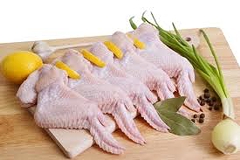
Feathers are flying as the spat over import duties on chickens imported into South Africa heads to court.
The big five local chicken producers — Astral Foods, Rainbow Chicken, Sovereign Foods, Afgri and Supreme Foods — have lobbied hard for import duties to be hiked to 82%, the maximum allowed under World Trade Organisation rules, from its current 27%, to protect jobs in the local sector.
They are facing intense opposition from the Association of Meat Importers and Exporters (AMIE), which has applied to the Pretoria High Court for access to the information used to determine the higher tariffs.
Each day, more than 2.5-million chickens are eaten in South Africa, making it the main animal protein consumed, and 12% of these chickens are imported. But AMIE believes higher duties will mean consumers will have to pay more, and it will lead to job losses.
The International Trade Administration Commission (Itac) will evaluate the producers’ request, and its investigation into the issue is expected to end next month.
Last year, AMIE went to court to dispute the information used by Itac to impose anti-dumping duties on Brazilian chicken imports. Itac was forced to withdraw these duties in December by Trade and Industry Minister Rob Davies, after Brazil laid a complaint at the WTO against South Africa.
Now, AMIE wants the court to order Itac to reveal the information by the producers used to determine the tariffs they are asking for. The information is largely contained in a report by PwC, based on information for January 2013 given to them by the producers.
“It is disingenuous of the producers to use January data to support their argument. Firstly, the time period is too short, and January was the worst month commercially for chicken producers in six years,” said AMIE spokesman Georg Southey.
One of the importers’ arguments is that the profit margin of 12%, which local producers are using to calculate their desired import tariffs, is significantly higher than international benchmarks.
“If the maximum duties were to be implemented, there will be about 14,000 direct jobs lost, and another 6,000 negatively affected,” Mr Southey said.
Producers say the increase in imports since 2008 has placed prices under pressure, making it more difficult to pass on higher feed and input costs to consumers. Rainbow Chicken said feed costs contribute 53% to the total cost of a live bird.
This week, Astral Foods, the country’s second-biggest poultry producer, reported a 21.9% increase in feed costs in the six months to end March. Its poultry division recorded a loss of R117m, compared with a profit of R140m over the same period last year.
Chris Schutte, CEO of Astral, said he would like to see tariffs increased to 82% as government should “protect” its local industries against unfair playing fields.
Mr Schutte denied that producers are inefficient and that they are scared of competition. He was optimistic the decision will be in local producers’ favour.
The big five local chicken producers — Astral Foods, Rainbow Chicken, Sovereign Foods, Afgri and Supreme Foods — have lobbied hard for import duties to be hiked to 82%, the maximum allowed under World Trade Organisation rules, from its current 27%, to protect jobs in the local sector.
They are facing intense opposition from the Association of Meat Importers and Exporters (AMIE), which has applied to the Pretoria High Court for access to the information used to determine the higher tariffs.
Each day, more than 2.5-million chickens are eaten in South Africa, making it the main animal protein consumed, and 12% of these chickens are imported. But AMIE believes higher duties will mean consumers will have to pay more, and it will lead to job losses.
The International Trade Administration Commission (Itac) will evaluate the producers’ request, and its investigation into the issue is expected to end next month.
Last year, AMIE went to court to dispute the information used by Itac to impose anti-dumping duties on Brazilian chicken imports. Itac was forced to withdraw these duties in December by Trade and Industry Minister Rob Davies, after Brazil laid a complaint at the WTO against South Africa.
Now, AMIE wants the court to order Itac to reveal the information by the producers used to determine the tariffs they are asking for. The information is largely contained in a report by PwC, based on information for January 2013 given to them by the producers.
“It is disingenuous of the producers to use January data to support their argument. Firstly, the time period is too short, and January was the worst month commercially for chicken producers in six years,” said AMIE spokesman Georg Southey.
One of the importers’ arguments is that the profit margin of 12%, which local producers are using to calculate their desired import tariffs, is significantly higher than international benchmarks.
“If the maximum duties were to be implemented, there will be about 14,000 direct jobs lost, and another 6,000 negatively affected,” Mr Southey said.
Producers say the increase in imports since 2008 has placed prices under pressure, making it more difficult to pass on higher feed and input costs to consumers. Rainbow Chicken said feed costs contribute 53% to the total cost of a live bird.
This week, Astral Foods, the country’s second-biggest poultry producer, reported a 21.9% increase in feed costs in the six months to end March. Its poultry division recorded a loss of R117m, compared with a profit of R140m over the same period last year.
Chris Schutte, CEO of Astral, said he would like to see tariffs increased to 82% as government should “protect” its local industries against unfair playing fields.
Mr Schutte denied that producers are inefficient and that they are scared of competition. He was optimistic the decision will be in local producers’ favour.
May 19 2013, 09:31
By Jana Marais AndThekiso Anthony Lefifi
Source: bdlive.co.za
By Jana Marais AndThekiso Anthony Lefifi
Source: bdlive.co.za
Các tin khác
- Viet Nam's steel industry takes another step forward in the anti-dumping lawsuit against Chinese goods (17/06/2026)
- Türkiye launches anti-dumping probe into car tire imports (17/06/2026)
- TRA proposes extending anti-dumping measure on wire rod (17/06/2026)
- Ample room remains for Viet Nam–India logistics cooperation (17/06/2026)
- Local authorities to directly issue fragrant rice export certificates from July 2026 (17/06/2026)