Home
Home
 About Us



Seafood sector faces hard times
06/07/2009 12:00
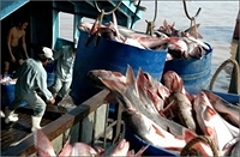
The provision of inaccurate information has psychologically affected consumers from importing countries as well as Vietnamese businesses’ export-import activities.
The export of Vietnamese tra and basa catfish is being seriously affected by soaring food prices and pressure from the trade protection policies of importing countries. Meanwhile, breeders are experiencing a sharp drop in catfish prices and finding it difficult to access interest subsidised loans.
More and more importers of Vietnam’s tra and basa catfish like France, Spain, Norway and the US have used the media to lower the prestige and quality of Vietnamese tra and basa catfish products. This has affected what consumers from importing countries think. In addition, Vietnamese tra and basa exporters are always about being filed by anti-dumping lawsuits. According to the Vietnam Association of Seafood Exporters and Processors (VASEP), most businesses have had a certificate of product origin to enter the demanding markets like Europe while others, which encourage trade fraud have badly affected the prestige of Vietnamese seafood exporters.
The VASEP has also attributed the abrupt increases in the prices of feed for domestic food processing, which depend on the world market.
Meanwhile, food prices are on the rise while the prices of tra and basa catfish continue a downward slump. For example, the price of tra catfish is currently being offered at only US$2.47/kg while the previous price was US$2.63/kg, sometimes even up to more than US$3/kg.
The prices of material tra and basa catfish have fallen to VND13,500-14,000/kg in recent times from VND16,000-17,000 kg between Feb-May 2009.
If calculating all the expenses based on current price levels, farmers suffer losses of around VND1,000/kg. Furthermore, breeders’ difficulties in accessing interest subsidised loan packages have forced them to stop breeding.
Shrimp breeding areas shrank sharply compared to last year due to high prices of feed, diseases and unfavourable weather conditions. The price of white-leg shrimp fell from VND60,000 per kilogram to VND40,000. If the price of shrimp continues to slump, farmers will stop raising them, which in turn result in a lack of raw materials for seafood processing plants.
Seafood processing plants are currently operating at 30-40 percent of designed capacity due to the shortage of materials. It is a paradox that the prices of materials are going down but plants are not able to purchase them. With shrinking orders many plants are only processing materials they have in stock.
However, there are some positive signs as exports of tra and basa catfish to big markets such as the US and EU have been increasing over the past two months. In May, seafood exports to the US increased by 77.6 percent. Russia is also a potential market in the future as its demand is raising.
In order to have regular supplies of high quality aquatic products, the Government should continue providing loans at preferential rates for farmers and ease up the lending conditions. It should encourage businesses to supply their own materials and establish areas that specialise in aquaculture. In addition, it should come up with measures to ensure the stable supply of seafood for domestic consumption.
To prevent exporting low quality products, the relevant authorities must strictly check the quality of products throughout the production process. Management agencies must prevent impurities in seafood products. In addition, they should grant codes to shrimp breeding areas to help businesses enter the EU which is considered to be Vietnam's largest consumer market. Businesses must have strategic trading plans to maintain their customers and production, especially in this fiercely competitive industry.
The export of Vietnamese tra and basa catfish is being seriously affected by soaring food prices and pressure from the trade protection policies of importing countries. Meanwhile, breeders are experiencing a sharp drop in catfish prices and finding it difficult to access interest subsidised loans.
More and more importers of Vietnam’s tra and basa catfish like France, Spain, Norway and the US have used the media to lower the prestige and quality of Vietnamese tra and basa catfish products. This has affected what consumers from importing countries think. In addition, Vietnamese tra and basa exporters are always about being filed by anti-dumping lawsuits. According to the Vietnam Association of Seafood Exporters and Processors (VASEP), most businesses have had a certificate of product origin to enter the demanding markets like Europe while others, which encourage trade fraud have badly affected the prestige of Vietnamese seafood exporters.
The VASEP has also attributed the abrupt increases in the prices of feed for domestic food processing, which depend on the world market.
Meanwhile, food prices are on the rise while the prices of tra and basa catfish continue a downward slump. For example, the price of tra catfish is currently being offered at only US$2.47/kg while the previous price was US$2.63/kg, sometimes even up to more than US$3/kg.
The prices of material tra and basa catfish have fallen to VND13,500-14,000/kg in recent times from VND16,000-17,000 kg between Feb-May 2009.
If calculating all the expenses based on current price levels, farmers suffer losses of around VND1,000/kg. Furthermore, breeders’ difficulties in accessing interest subsidised loan packages have forced them to stop breeding.
Shrimp breeding areas shrank sharply compared to last year due to high prices of feed, diseases and unfavourable weather conditions. The price of white-leg shrimp fell from VND60,000 per kilogram to VND40,000. If the price of shrimp continues to slump, farmers will stop raising them, which in turn result in a lack of raw materials for seafood processing plants.
Seafood processing plants are currently operating at 30-40 percent of designed capacity due to the shortage of materials. It is a paradox that the prices of materials are going down but plants are not able to purchase them. With shrinking orders many plants are only processing materials they have in stock.
However, there are some positive signs as exports of tra and basa catfish to big markets such as the US and EU have been increasing over the past two months. In May, seafood exports to the US increased by 77.6 percent. Russia is also a potential market in the future as its demand is raising.
In order to have regular supplies of high quality aquatic products, the Government should continue providing loans at preferential rates for farmers and ease up the lending conditions. It should encourage businesses to supply their own materials and establish areas that specialise in aquaculture. In addition, it should come up with measures to ensure the stable supply of seafood for domestic consumption.
To prevent exporting low quality products, the relevant authorities must strictly check the quality of products throughout the production process. Management agencies must prevent impurities in seafood products. In addition, they should grant codes to shrimp breeding areas to help businesses enter the EU which is considered to be Vietnam's largest consumer market. Businesses must have strategic trading plans to maintain their customers and production, especially in this fiercely competitive industry.
Updated : 1:05 PM, 07/01/2009
Source: english.vovnews.vn
Source: english.vovnews.vn
Các tin khác
- Rising global shipping costs put pressure on Viet Nam’s seafood exporters (22/06/2026)
- India likely to retain anti-dumping duties on Bangladeshi jute products (22/06/2026)
- Japan slaps anti-dumping duties on Chinese, Taiwanese steel (22/06/2026)
- India initiates anti-dumping probe against a Chinese, Japanese chemical used in tyre, rubber items (22/06/2026)
- Reasons why the US continues to suspend customs clearance for Vietnamese trailers (22/06/2026)