Home
Home
 About Us



Seafood industry weathers the storm at the beginning of the year
11/02/2026 04:41
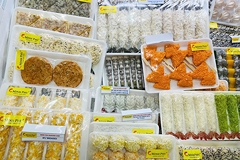
Despite overcoming increasing policy and trade barriers, seafood exports in January recorded a positive start with a 13% increase. In the face of global uncertainties, the industry will proactively restructure its export strategy, reduce dependence on traditional markets, expand domestic exploitation, and promote green production.
Growth is primarily driven by the Asian market.
According to the Viet Nam Association of Seafood Processing and Export (VASEP), seafood exports in January 2026 reached approximately US$874 million, a 13% increase compared to the same period in 2025. This increase reflects the efforts of businesses to maintain the pace of orders at the beginning of the year, despite the global seafood trade continuing to face pressure from technical barriers and tariff factors in some major markets.
Growth in the first month of the year was mainly driven by the Chinese, Japanese, and ASEAN markets, as well as by the pangasius, squid, and octopus product groups.
Accordingly, China and Hong Kong continued to be the largest market with a turnover of nearly $250 million, an increase of 28.7% compared to the same period last year. The main driving force came from the demand for shrimp imports to serve the Lunar New Year. Lobster contributed significantly to this growth, as the premium shrimp segment was heavily consumed during the holiday. Many businesses accelerated shipments to China in January, taking advantage of the increased demand before the holiday.
Seafood exports to Japan reached nearly $146 million, up 21.3%. This continues to be a stable market with good demand for processed shrimp, frozen pangasius fillets, and squid and octopus. Exports to ASEAN reached approximately $69 million, a strong increase of 32.2%, reflecting the trend of increasing intra-ASEAN trade and high demand in markets such as Thailand, the Philippines, and Singapore. South Korea achieved over $67 million, up 9.1%, mainly due to good consumption of squid, octopus, and pangasius.
Conversely, the EU only reached nearly $72 million, down 6.3%, due to weak demand and inventories carried over from the end of the previous year, particularly in the mollusk and crab/lobster group. The Middle East also saw a 9.4% decrease, to approximately $21 million, after a period of strong imports at the end of 2025.
Meanwhile, the US market recorded a significant decline, especially in the tuna sector, due to the impact of the Marine Mammal Protection Act (MMPA) regulations. January's export value reached just over $96 million, down 9.9% year-on-year, mainly driven by a 14% drop in tuna sales, reaching $57 million. For shrimp, many businesses proactively shipped early in January to mitigate risks before the anti-dumping duty results were announced on February 17th. As a result, export value did not fall sharply, but this means pressure will build in the following months.
In terms of product structure, shrimp continued to be the main export item with a turnover of 331 million USD, an increase of 6.4%, accounting for nearly 38% of total exports. Pangasius was also a highlight, reaching over 177 million USD, a strong increase of 33.2%. Exports of squid and octopus reached nearly 69 million USD, an increase of 30.9%. The crab and other crustacean group decreased by 10.6%, to 31 million USD, while shellfish decreased by 11.7%, to about 20 million USD.
Strengthening market diversification strategy
Despite the positive results in January, according to VASEP Deputy Secretary General Le Hang, exports in February are likely to decrease compared to the previous month and slightly compared to the same period in 2025 due to the simultaneous impact of several unfavorable factors both domestically and internationally.
Firstly, the extended Lunar New Year holiday disrupted production, processing, and delivery activities at many businesses, directly impacting the progress of export orders. Secondly, the final outcome of the anti-dumping duties imposed on Vietnamese shrimp in the US market, which officially took effect after February 17th, began to show clear negative impacts, reducing the competitiveness of Vietnamese shrimp products in one of the key markets.
Furthermore, obstacles in the implementation of MMPA regulations and the procedures for issuing COA certificates continue to hinder the export of tuna and some other seafood products. China's seafood import demand in February tended to stagnate after a period of strong stockpiling in January.
Overall, the seafood export picture in the first month of the year shows that current growth momentum largely depends on Asian markets, while policy and trade barriers in the US market are increasingly playing a dominant role. This is considered a key factor that will impact seafood export trends in the following months of the year.
In 2026, the fisheries sector aims for exports of $11.5 billion. According to VASEP, to achieve this goal, the sector will strengthen its market diversification strategy, reducing dependence on a few traditional markets; and simultaneously enhance support for businesses to expand into new markets and improve their competitiveness.
Simultaneously, quickly stabilizing the supply chain and removing obstacles related to mechanisms and policies are crucial factors in maintaining sustainable growth. The industry will also focus on developing in a green, transparent, and responsible direction, meeting increasingly stringent standards regarding the environment, traceability, digital transformation, and compliance with domestic and international laws.
Source: People's Deputies News
Các tin khác
- U.S. to Impose Duties on Mexican, Thai, Vietnamese Chassis (03/06/2026)
- Mexican sugar producers push to scrap U.S. import quotas (03/06/2026)
- Japan launched an anti-dumping investigation into flat steel imports from three countries (03/06/2026)
- Eurochem challenges anti-dumping duties in the EU (03/06/2026)
- Pangasius prices in Viet Nam surge due to high export demand (03/06/2026)