Home
Home
 About Us



President of Chinese firm pleads guilty in 'honey laundering' case
03/11/2009 12:00
Yong Xiang Yan admits importing falsely-labeled honey to avoid U.S. tariffs
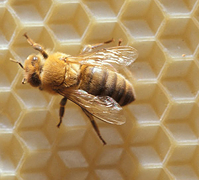
The president of a Chinese honey company pleaded guilty Thursday to conspiring to illegally import honey into the United States, part of a case that has cast a spotlight on "honey laundering," the importation of falsely-labeled honey.
Yong Xiang Yan, 60, pleaded guilty to one count of conspiracy to illegally smuggle 15 container loads of Chinese honey and, in doing so, avoiding U.S. anti-dumping duties of about $635,515. Yan also acknowledged he authorized an additional 21 shipments of Chinese honey through the Philippines and Thailand, avoiding $3.3 million in anti-dumping fees.
Yan was charged in U.S. federal court in Chicago in May with conspiring to import honey from China that was falsely labeled as originating from the Philippines, a tactic that federal authorities say allowed his company, Changge City Jixiang Bee Product Co., to avoid anti-dumping duties on Chinese honey.
Also, some of the Chinese honey that Yan shipped to the U.S. was adulterated with antibiotics that are banned in foods in this country, according to the U.S. attorney's office.
Yan's arrest was the latest development in the investigation of an allegedly illegal honey-importing effort operated out of the Chicago office of Hamburg, Germany-based Alfred L. Wolff. In 2008, two Wolff executives in Chicago were accused by federal authorities off conspiring to illegally import honey from China.
The Philippines was one of several countries that Wolff allegedly used to transship or "launder" Chinese honey in order to avoid anti-dumping tariffs. The U.S. government has slapped steep tariffs on Chinese honey, claiming it's being dumped here at unfairly low prices.
Yan faces a maximum penalty of five years in prison and a $250,000 fine.
The president of a Chinese honey company pleaded guilty Thursday to conspiring to illegally import honey into the United States, part of a case that has cast a spotlight on "honey laundering," the importation of falsely-labeled honey.
Yong Xiang Yan, 60, pleaded guilty to one count of conspiracy to illegally smuggle 15 container loads of Chinese honey and, in doing so, avoiding U.S. anti-dumping duties of about $635,515. Yan also acknowledged he authorized an additional 21 shipments of Chinese honey through the Philippines and Thailand, avoiding $3.3 million in anti-dumping fees.
Yan was charged in U.S. federal court in Chicago in May with conspiring to import honey from China that was falsely labeled as originating from the Philippines, a tactic that federal authorities say allowed his company, Changge City Jixiang Bee Product Co., to avoid anti-dumping duties on Chinese honey.
Also, some of the Chinese honey that Yan shipped to the U.S. was adulterated with antibiotics that are banned in foods in this country, according to the U.S. attorney's office.
Yan's arrest was the latest development in the investigation of an allegedly illegal honey-importing effort operated out of the Chicago office of Hamburg, Germany-based Alfred L. Wolff. In 2008, two Wolff executives in Chicago were accused by federal authorities off conspiring to illegally import honey from China.
The Philippines was one of several countries that Wolff allegedly used to transship or "launder" Chinese honey in order to avoid anti-dumping tariffs. The U.S. government has slapped steep tariffs on Chinese honey, claiming it's being dumped here at unfairly low prices.
Yan faces a maximum penalty of five years in prison and a $250,000 fine.
By Mike Hughlett Tribune reporter
mhughlett@tribune.com
October 30, 2009
Source: www.chicagotribune.com
mhughlett@tribune.com
October 30, 2009
Source: www.chicagotribune.com
Các tin khác
- Rising global shipping costs put pressure on Viet Nam’s seafood exporters (22/06/2026)
- India likely to retain anti-dumping duties on Bangladeshi jute products (22/06/2026)
- Japan slaps anti-dumping duties on Chinese, Taiwanese steel (22/06/2026)
- India initiates anti-dumping probe against a Chinese, Japanese chemical used in tyre, rubber items (22/06/2026)
- Reasons why the US continues to suspend customs clearance for Vietnamese trailers (22/06/2026)