Home
Home
 About Us



Nigeria: Market Protection Likely to Starve Exports
18/04/2009 12:00
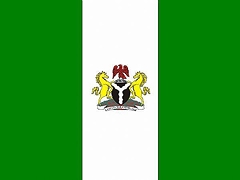
THE export market will continue to shrink as countries put in measures to protect their economies from the global financial crisis.
Several nations have in recent months increased tariffs, non-tariff measures and anti-dumping actions in desperate measures to protect the competitiveness of their products.
These efforts have been on the increase despite the World Trade Organisation (WTO) warning they could hurt global trade and collapse exports from developing countries.
Nigeria's main exports are to the European Union.
But a staff of Nigeria's export promotion agency, who did not want his name in print said "our exports are safe. We are linking enterprises over the Internet to potential markets all over the world."
But with WTO anticipating global trade to plunge by 9% and 17 of the G20 leading economies implementing protectionist measures, could Nigeria's exports not suffer significantly?
Protectionism, the act of nations adopting punitive measures that make it hard for other countries to export to their markets, is a hindrance to free trade.
As countries resort to protection measures, this could reverse the gains achieved in the export market in the recent years.
Acting Executive Director of the Nigeria Export Promotion Council (NEPC), Mr. Aliyu Lawal, had said that Nigeria's earnings from non-oil export increased from $749.4 million in 2005 to $1.8 billion in 2008.
Lawal had said that the improvement in the value of the non-oil export was over 200 per cent.
Lawal expressed delight that Nigeria's non-oil export, which was about 3% in 2004 and 8% in 2005 had increased to 24 per cent and 46 per cent in 2006 and 2007, respectively.
He explained that the increase was propelled by transparent administration of the Export Promotion Grant (EEG) scheme and the council's aggressive export drive.
"We have noticed that the non-oil export is not only growing, the market and the products are being diversified to be competitive at the international market," he said.
He said that the current global financial meltdown and the continued decline in the price of crude oil at the international market had made it expedient for Nigeria to devote more resources to the promotion of the non-oil sector.
He enjoined stakeholders in the export sector to join hands with the NEPC to ensure that the EEG achieved the desired objectives.
The decline in Nigeria's exports would erode the improvement in the value of the non-oil export that was over 200 per cent and worsen the nation's balance of trade and widen the trade deficit.
Government should plan to concentrate on regional trade within the ECOWAS, where Nigeria is a key player to ensure the exports sector remains vibrant.
Nigeria should speeding up regional integration to create a huge market for the nation's exports.
Government should also ensure the stability of the financial sector to ensure that exports have access to trade finance.
Several nations have in recent months increased tariffs, non-tariff measures and anti-dumping actions in desperate measures to protect the competitiveness of their products.
These efforts have been on the increase despite the World Trade Organisation (WTO) warning they could hurt global trade and collapse exports from developing countries.
Nigeria's main exports are to the European Union.
But a staff of Nigeria's export promotion agency, who did not want his name in print said "our exports are safe. We are linking enterprises over the Internet to potential markets all over the world."
But with WTO anticipating global trade to plunge by 9% and 17 of the G20 leading economies implementing protectionist measures, could Nigeria's exports not suffer significantly?
Protectionism, the act of nations adopting punitive measures that make it hard for other countries to export to their markets, is a hindrance to free trade.
As countries resort to protection measures, this could reverse the gains achieved in the export market in the recent years.
Acting Executive Director of the Nigeria Export Promotion Council (NEPC), Mr. Aliyu Lawal, had said that Nigeria's earnings from non-oil export increased from $749.4 million in 2005 to $1.8 billion in 2008.
Lawal had said that the improvement in the value of the non-oil export was over 200 per cent.
Lawal expressed delight that Nigeria's non-oil export, which was about 3% in 2004 and 8% in 2005 had increased to 24 per cent and 46 per cent in 2006 and 2007, respectively.
He explained that the increase was propelled by transparent administration of the Export Promotion Grant (EEG) scheme and the council's aggressive export drive.
"We have noticed that the non-oil export is not only growing, the market and the products are being diversified to be competitive at the international market," he said.
He said that the current global financial meltdown and the continued decline in the price of crude oil at the international market had made it expedient for Nigeria to devote more resources to the promotion of the non-oil sector.
He enjoined stakeholders in the export sector to join hands with the NEPC to ensure that the EEG achieved the desired objectives.
The decline in Nigeria's exports would erode the improvement in the value of the non-oil export that was over 200 per cent and worsen the nation's balance of trade and widen the trade deficit.
Government should plan to concentrate on regional trade within the ECOWAS, where Nigeria is a key player to ensure the exports sector remains vibrant.
Nigeria should speeding up regional integration to create a huge market for the nation's exports.
Government should also ensure the stability of the financial sector to ensure that exports have access to trade finance.
Daniel Gumm
17 April 2009
Source: allafrica.com
17 April 2009
Source: allafrica.com
Các tin khác
- Rising global shipping costs put pressure on Viet Nam’s seafood exporters (22/06/2026)
- India likely to retain anti-dumping duties on Bangladeshi jute products (22/06/2026)
- Japan slaps anti-dumping duties on Chinese, Taiwanese steel (22/06/2026)
- India initiates anti-dumping probe against a Chinese, Japanese chemical used in tyre, rubber items (22/06/2026)
- Reasons why the US continues to suspend customs clearance for Vietnamese trailers (22/06/2026)