Home
Home
 About Us



Indonesia Continues Challenge To EU Fatty Alcohol Duties
18/02/2017 12:00
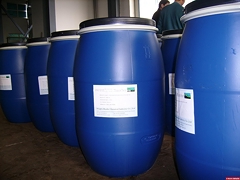
Indonesia has filed a notice of appeal at the World Trade Organization concerning anti-dumping duties imposed by the European Union on its exports of certain fatty alcohols, which are used in the chemicals industry.
The Indonesian Government believes that the anti-dumping duties, imposed by the EU on imports of fatty alcohols in November 2011 for a five-year period, violated both the Agreement on Anti-Dumping and the General Agreement on Tariffs and Trade.
Specifically, Indonesia is challenging the fairness of the comparison made by the EU between the export price of fatty alcohols produced by PT Musim Mas when sold in the European market and its normal value when sold in Indonesia.
In the case in question, the EU made an allowance on the export price of fatty alcohols in order to account for the price mark-up received by a Singapore-based trader for sales to the EU. The EU considered that the mark-up, which was not paid on Indonesian domestic sales of fatty alcohols, was a factor affecting the comparability of the export price and the normal value. For this reason it was deducted from the export price to make what it considered a fair comparison.
Indonesia countered that since the Indonesian producer and the Singapore-based trader were closely related entities, no deduction for the mark-up should have been made to the export price by the EU in reaching its conclusion.
However, an earlier WTO dispute resolution panel largely sided with the EU in a decision published in December 2016.
According to the panel, the EU was justified in treating the price mark-up as a difference affecting price comparability between the export price and the normal value of fatty alcohols. In addition, the panel found no legal basis in the text of the Anti-Dumping Agreement for Indonesia's claim that costs incurred within a single economic entity could not be deducted in the process of calculating the dumping margin of a product.
In its appeal to the WTO Appellate Body, initiated on February 14, 2017, Indonesia said that the panel had erred in its interpretation and application of the Anti-dumping Agreement.
Generally, the Appellate Body has up to three months to conclude its report.
The Indonesian Government believes that the anti-dumping duties, imposed by the EU on imports of fatty alcohols in November 2011 for a five-year period, violated both the Agreement on Anti-Dumping and the General Agreement on Tariffs and Trade.
Specifically, Indonesia is challenging the fairness of the comparison made by the EU between the export price of fatty alcohols produced by PT Musim Mas when sold in the European market and its normal value when sold in Indonesia.
In the case in question, the EU made an allowance on the export price of fatty alcohols in order to account for the price mark-up received by a Singapore-based trader for sales to the EU. The EU considered that the mark-up, which was not paid on Indonesian domestic sales of fatty alcohols, was a factor affecting the comparability of the export price and the normal value. For this reason it was deducted from the export price to make what it considered a fair comparison.
Indonesia countered that since the Indonesian producer and the Singapore-based trader were closely related entities, no deduction for the mark-up should have been made to the export price by the EU in reaching its conclusion.
However, an earlier WTO dispute resolution panel largely sided with the EU in a decision published in December 2016.
According to the panel, the EU was justified in treating the price mark-up as a difference affecting price comparability between the export price and the normal value of fatty alcohols. In addition, the panel found no legal basis in the text of the Anti-Dumping Agreement for Indonesia's claim that costs incurred within a single economic entity could not be deducted in the process of calculating the dumping margin of a product.
In its appeal to the WTO Appellate Body, initiated on February 14, 2017, Indonesia said that the panel had erred in its interpretation and application of the Anti-dumping Agreement.
Generally, the Appellate Body has up to three months to conclude its report.
Feb 15, 2017
Source: Tax News
Source: Tax News
Các tin khác
- New-generation FTAs open wider export opportunities to Middle East and South Asia (15/06/2026)
- Updated regulations on foreign trade management and import quotas (15/06/2026)
- Mandatory traceability for high-risk goods from July 1st: What should businesses prepare for? (15/06/2026)
- Tariff pressure is forcing businesses to restructure in order to adapt. (15/06/2026)
- Coffee Citizens model aims to lift Vietnamese value chain (15/06/2026)