Home
Home
 About Us



EU takes China to WTO for limiting coke exports
30/06/2009 12:00
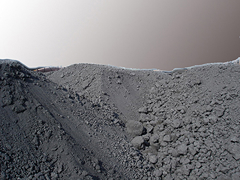
Before long since the EU started to impose a decidedly five year long anti dumping duty on China's coke in March 2008, the EU has now begun to in union with the US, accuse China for limiting coke exports to itself this farce has undoubtedly disclosed the purely benefit oriented truth of the EU.
In fact this is not the first time for the EU to do this. Back in 1999, the EU scrutinized China's exported foundry coke for fear of anti dumping and finally began to impose anti dumping duty of EUR 32.6 for each tonnage of foundry coke. But between 2003 and 2004, it decided to halt the duty driven by the resource scarcity. On December 16th 2005, the duty expired.
As the largest coke producer in the world, China produced 336 million tonnes of coke in 2008, accounting for 60% of the world's total volume. While being fed, the world also sees the main growth of coke capacities in China. Although Europe and America also have their coke plants, they produce only meager doses, leaving the two regions to be supplied by China. So, a tiny change in China's coke exports could touch the nerve of Europe and America and cause their coke prices to change.
In spite of the crucial position China takes in the world's coke industry, China's coke industry has long been suffering from a lot of problems, falling short of the glory it's supposed to have. In the coke industry, 80% of coke plants are of small and medium size and they are scattered in geography, antiquated in technology and management, low in environmental-friendliness and market competitiveness and high in energy consumption. In a sense, pushing large amount of coke abroad is at the cost of leaving large pollution at home while exporting the scarce resource of coke abroad.
In recent years under the pressure of source and environment, the Chinese government has been making efforts to change its coke export policies. It removed the tax rebate in 2004; in 2006 it started to impose 5% export tariff on May 21st 2007 it raised the export tariff by 10% to 15%; in 2008, it further pushed it up to 25% by 10%. Now it has remained at 40%.
In the meantime, the amount of coke export quotas is also decreasing, and those getting the quotas tend to be centralized. In 2008, China released coke export quotas of 12.01 million tonnes down by 140,000 tons compared with the 12.15 million tonnes in 2007. In 2008, China also pushed up the threshold for coke enterprises to applying for the quotas. The distribution is inclining to production-oriented enterprises from trade-oriented ones.
These measures have achieved notable results, with China's coke exports declining since the year. Statistics from the customs indicate that China's coke exports in May stayed only at 22,000 tonne plunging by 99% YoY which is also down by 12.4% from April, the lowest level in three years. The combined export volume in the first five months of the year was 206,000 tons, shooting down by 97% YoY.
China's coke is exported mainly to Japan, India and Korea etc, as statistics from the customs show. So EU and the US only get a small amount, thus the farce has sprouted out that EU is suing China to WTO for limiting coke exports in the anti-dumping duty imposed period. But obviously, what the EU wants now is sufficient coke for its rebounding steel production in the recovering world economy.
In fact this is not the first time for the EU to do this. Back in 1999, the EU scrutinized China's exported foundry coke for fear of anti dumping and finally began to impose anti dumping duty of EUR 32.6 for each tonnage of foundry coke. But between 2003 and 2004, it decided to halt the duty driven by the resource scarcity. On December 16th 2005, the duty expired.
As the largest coke producer in the world, China produced 336 million tonnes of coke in 2008, accounting for 60% of the world's total volume. While being fed, the world also sees the main growth of coke capacities in China. Although Europe and America also have their coke plants, they produce only meager doses, leaving the two regions to be supplied by China. So, a tiny change in China's coke exports could touch the nerve of Europe and America and cause their coke prices to change.
In spite of the crucial position China takes in the world's coke industry, China's coke industry has long been suffering from a lot of problems, falling short of the glory it's supposed to have. In the coke industry, 80% of coke plants are of small and medium size and they are scattered in geography, antiquated in technology and management, low in environmental-friendliness and market competitiveness and high in energy consumption. In a sense, pushing large amount of coke abroad is at the cost of leaving large pollution at home while exporting the scarce resource of coke abroad.
In recent years under the pressure of source and environment, the Chinese government has been making efforts to change its coke export policies. It removed the tax rebate in 2004; in 2006 it started to impose 5% export tariff on May 21st 2007 it raised the export tariff by 10% to 15%; in 2008, it further pushed it up to 25% by 10%. Now it has remained at 40%.
In the meantime, the amount of coke export quotas is also decreasing, and those getting the quotas tend to be centralized. In 2008, China released coke export quotas of 12.01 million tonnes down by 140,000 tons compared with the 12.15 million tonnes in 2007. In 2008, China also pushed up the threshold for coke enterprises to applying for the quotas. The distribution is inclining to production-oriented enterprises from trade-oriented ones.
These measures have achieved notable results, with China's coke exports declining since the year. Statistics from the customs indicate that China's coke exports in May stayed only at 22,000 tonne plunging by 99% YoY which is also down by 12.4% from April, the lowest level in three years. The combined export volume in the first five months of the year was 206,000 tons, shooting down by 97% YoY.
China's coke is exported mainly to Japan, India and Korea etc, as statistics from the customs show. So EU and the US only get a small amount, thus the farce has sprouted out that EU is suing China to WTO for limiting coke exports in the anti-dumping duty imposed period. But obviously, what the EU wants now is sufficient coke for its rebounding steel production in the recovering world economy.
from mysteel.net
Friday, 26 Jun 2009
Source: steelguru.com
Friday, 26 Jun 2009
Source: steelguru.com
Các tin khác
- Rising global shipping costs put pressure on Viet Nam’s seafood exporters (22/06/2026)
- India likely to retain anti-dumping duties on Bangladeshi jute products (22/06/2026)
- Japan slaps anti-dumping duties on Chinese, Taiwanese steel (22/06/2026)
- India initiates anti-dumping probe against a Chinese, Japanese chemical used in tyre, rubber items (22/06/2026)
- Reasons why the US continues to suspend customs clearance for Vietnamese trailers (22/06/2026)