Home
Home
 About Us



EU extends import duties on U.S. biodiesel to 2020
24/09/2015 12:00
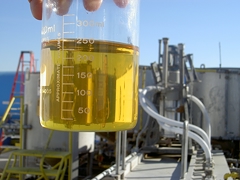
(Reuters) - The European Union is extending anti-dumping and anti-subsidy duties imposed on U.S. biodiesel imports for a further five years, until September 2020, maintaining its defence against trade in the renewable fuel source.
The bloc set the duties in 2009 on a number of U.S. producers of biodiesel, including Archer Daniels Midland Co and Cargill Inc, effectively bringing to a halt $1 billion in annual trade.
The EU decided there was still a risk of harm if the duties were lifted and so chose to extend them, the EU's official journal stated on Tuesday.
At issue was a U.S. tax credit of $1 per gallon of biodiesel produced, which the European Commission judged was harming European producers.
The U.S.-based National Biodiesel Board said the decision was unfair because the tax incentive had expired and European biodiesel producers had been able to receive the same benefit if their product was blended in the United States.
"In fact, U.S. imports of biodiesel from the EU have grown in recent years while EU imports of U.S. biodiesel have been virtually eliminated since the EU duties were imposed," the board said in a statement.
Americans last year consumed about 1.8 billion gallons of biodiesel, produced from fats and oils, including soybean oil, recycled cooking oil and animal fats.
The European Biodiesel Board (EBB), which brought the initial case, said a legislative package to extend the tax credit through 2016 meant that duties had to stay.
"Even though the tax credit kept expiring several times, the U.S. authorities have established a tradition of reinstating the tax credit in a retroactive manner," EBB Secretary-General Raffaello Garofalo said in a statement.
The bloc set the duties in 2009 on a number of U.S. producers of biodiesel, including Archer Daniels Midland Co and Cargill Inc, effectively bringing to a halt $1 billion in annual trade.
The EU decided there was still a risk of harm if the duties were lifted and so chose to extend them, the EU's official journal stated on Tuesday.
At issue was a U.S. tax credit of $1 per gallon of biodiesel produced, which the European Commission judged was harming European producers.
The U.S.-based National Biodiesel Board said the decision was unfair because the tax incentive had expired and European biodiesel producers had been able to receive the same benefit if their product was blended in the United States.
"In fact, U.S. imports of biodiesel from the EU have grown in recent years while EU imports of U.S. biodiesel have been virtually eliminated since the EU duties were imposed," the board said in a statement.
Americans last year consumed about 1.8 billion gallons of biodiesel, produced from fats and oils, including soybean oil, recycled cooking oil and animal fats.
The European Biodiesel Board (EBB), which brought the initial case, said a legislative package to extend the tax credit through 2016 meant that duties had to stay.
"Even though the tax credit kept expiring several times, the U.S. authorities have established a tradition of reinstating the tax credit in a retroactive manner," EBB Secretary-General Raffaello Garofalo said in a statement.
Sep 15, 2015
Source: Reuters
Source: Reuters
Các tin khác
- New-generation FTAs open wider export opportunities to Middle East and South Asia (15/06/2026)
- Updated regulations on foreign trade management and import quotas (15/06/2026)
- Mandatory traceability for high-risk goods from July 1st: What should businesses prepare for? (15/06/2026)
- Tariff pressure is forcing businesses to restructure in order to adapt. (15/06/2026)
- Coffee Citizens model aims to lift Vietnamese value chain (15/06/2026)