Home
Home
 About Us



Egypt removes anti-dumping duty on Pakistani matches
18/04/2009 12:00
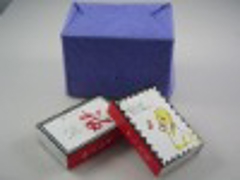
KARACHI: Egypt has removed the definitive anti-dumping duty on the import of matches from Pakistan, Daily Times learnt on Thursday.
In 2003, Egypt imposed 26-29 percent definitive anti-dumping on export of matches from Pakistan. Khyber Match Factory (Pvt) Ltd and all other exporters from Pakistan had to face 29 percent anti-dumping duty whereas 26 percent was imposed on Mohsin Match Factory (Pvt) Ltd.
The issue of anti-dumping duty on Pakistani matches was raised in August 2002 on a complaint made by Nile Match and Egyptian Match Company to the EIA. Both the Egyptian companies in their complaint had alleged that dumped imports of matches from Pakistan were causing injury to the Egyptian match industry.
In February 2005, Pakistan started consultations with Egypt regarding this anti-dumping duty on matches. Pakistan argued that these this anti-dumping measures were inconsistent with Egypt’s obligations under the GATT 1994 and Anti-dumping agreement.
On June 2005, Pakistan requested the establishment of panel, however Dispute Settlement Board (DSB) of WTO deferred the establishment of the panel initially, however later on, it formed the panel.
In 2006, Pakistan and Egypt decided to reach a mutually agreed formula to start working for the removal of this duty.
There are twelve match factories in Pakistan, four in NWFP, four in Sindh, three in Punjab and one in AJK. All match splints are made from poplar, of which 90 percent is from private growers. Each cubic meter of roundwood yields 13,200 boxes of matches, however, conversion efficiency is only 20-30 percent because of the small logs used.
Exports of matches to Egypt accounted for approximately $5 million and the match industry is the only export-oriented industry of NWFP that employs around 5,000 people.
According to match manufacturers, Pakistan is exporting matches to almost all over the world, but none of these countries have leveled any sort of allegation and pointed out that Pakistani manufacturers were using locally available raw material with low conversion cost.
Whereas the Egyptian companies are importing all the major inputs, that is why they could not compete against Pakistani matches in the Egyptian market, which led to imposition of this anti-dumping duty, they said.
In 2003, Egypt imposed 26-29 percent definitive anti-dumping on export of matches from Pakistan. Khyber Match Factory (Pvt) Ltd and all other exporters from Pakistan had to face 29 percent anti-dumping duty whereas 26 percent was imposed on Mohsin Match Factory (Pvt) Ltd.
The issue of anti-dumping duty on Pakistani matches was raised in August 2002 on a complaint made by Nile Match and Egyptian Match Company to the EIA. Both the Egyptian companies in their complaint had alleged that dumped imports of matches from Pakistan were causing injury to the Egyptian match industry.
In February 2005, Pakistan started consultations with Egypt regarding this anti-dumping duty on matches. Pakistan argued that these this anti-dumping measures were inconsistent with Egypt’s obligations under the GATT 1994 and Anti-dumping agreement.
On June 2005, Pakistan requested the establishment of panel, however Dispute Settlement Board (DSB) of WTO deferred the establishment of the panel initially, however later on, it formed the panel.
In 2006, Pakistan and Egypt decided to reach a mutually agreed formula to start working for the removal of this duty.
There are twelve match factories in Pakistan, four in NWFP, four in Sindh, three in Punjab and one in AJK. All match splints are made from poplar, of which 90 percent is from private growers. Each cubic meter of roundwood yields 13,200 boxes of matches, however, conversion efficiency is only 20-30 percent because of the small logs used.
Exports of matches to Egypt accounted for approximately $5 million and the match industry is the only export-oriented industry of NWFP that employs around 5,000 people.
According to match manufacturers, Pakistan is exporting matches to almost all over the world, but none of these countries have leveled any sort of allegation and pointed out that Pakistani manufacturers were using locally available raw material with low conversion cost.
Whereas the Egyptian companies are importing all the major inputs, that is why they could not compete against Pakistani matches in the Egyptian market, which led to imposition of this anti-dumping duty, they said.
By Tanveer Ahmed
Friday, April 17, 2009 E-Mail this article to a friend Printer Friendly Version
Source: www.dailytimes.com.pk
Các tin khác
- Rising global shipping costs put pressure on Viet Nam’s seafood exporters (22/06/2026)
- India likely to retain anti-dumping duties on Bangladeshi jute products (22/06/2026)
- Japan slaps anti-dumping duties on Chinese, Taiwanese steel (22/06/2026)
- India initiates anti-dumping probe against a Chinese, Japanese chemical used in tyre, rubber items (22/06/2026)
- Reasons why the US continues to suspend customs clearance for Vietnamese trailers (22/06/2026)