Home
Home
 About Us


China, under pressure at WTO, suggests revamp of dumping rules
24/04/2017 12:00
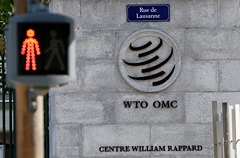
China has proposed tightening the rules on when countries can impose anti-dumping and anti-subsidy tariffs, saying their use was rising and that such charges were often misused and distorted international trade.
In a filing published by the World Trade Organization on Monday, China said it wanted to stop anti-dumping measures from "over-reaching" and becoming permanent, giving special consideration to small- and medium-sized firms, and imposing tougher standards for the use of such tariffs.
The five-page proposal is unlikely to get the required unanimous support of the body's 164 members, and may be flatly rejected by the United States, where Commerce Secretary Wilbur Ross has been a fierce critic of China's trade practices.
The proposal, which trade diplomats had anticipated for months, may seek to divert attention from Chinese fishing subsidies, which are under fire in negotiations at the same WTO committee.
Global pressure on fisheries is high because U.N. Sustainable Development Goals include a target to eliminate certain fishing subsidies by 2020, and many trade diplomats hope an agreement could come at a WTO ministerial meeting in Buenos Aires in December.
China is accused of unfairly subsidizing a huge and far-flung fishing fleet and, together with India and Russia, has sought to link the WTO negotiations on fish to a wider reform of the rules on using tariffs to counter unfair trade practices.
The United States told the WTO in 2014 that China had 30 undeclared fisheries support programs, and it has repeatedly demanded more transparency and accused China of moving too slowly.
"China is currently sorting out fisheries subsidies and will carry out research based on the results of and the progress made in relevant work," China said in its latest written response to U.S. questions on subsidies, published by the WTO on Monday.
Beyond fisheries, the United States has submitted a 584-page document to the WTO, spelling out many of the economic programs that Washington says China should have notified to the WTO.
Apr 24, 2017
Source: Reuters
In a filing published by the World Trade Organization on Monday, China said it wanted to stop anti-dumping measures from "over-reaching" and becoming permanent, giving special consideration to small- and medium-sized firms, and imposing tougher standards for the use of such tariffs.
The five-page proposal is unlikely to get the required unanimous support of the body's 164 members, and may be flatly rejected by the United States, where Commerce Secretary Wilbur Ross has been a fierce critic of China's trade practices.
The proposal, which trade diplomats had anticipated for months, may seek to divert attention from Chinese fishing subsidies, which are under fire in negotiations at the same WTO committee.
Global pressure on fisheries is high because U.N. Sustainable Development Goals include a target to eliminate certain fishing subsidies by 2020, and many trade diplomats hope an agreement could come at a WTO ministerial meeting in Buenos Aires in December.
China is accused of unfairly subsidizing a huge and far-flung fishing fleet and, together with India and Russia, has sought to link the WTO negotiations on fish to a wider reform of the rules on using tariffs to counter unfair trade practices.
The United States told the WTO in 2014 that China had 30 undeclared fisheries support programs, and it has repeatedly demanded more transparency and accused China of moving too slowly.
"China is currently sorting out fisheries subsidies and will carry out research based on the results of and the progress made in relevant work," China said in its latest written response to U.S. questions on subsidies, published by the WTO on Monday.
Beyond fisheries, the United States has submitted a 584-page document to the WTO, spelling out many of the economic programs that Washington says China should have notified to the WTO.
Apr 24, 2017
Source: Reuters
Các tin khác
- New-generation FTAs open wider export opportunities to Middle East and South Asia (15/06/2026)
- Updated regulations on foreign trade management and import quotas (15/06/2026)
- Mandatory traceability for high-risk goods from July 1st: What should businesses prepare for? (15/06/2026)
- Tariff pressure is forcing businesses to restructure in order to adapt. (15/06/2026)
- Coffee Citizens model aims to lift Vietnamese value chain (15/06/2026)