Home
Home
 About Us



China criticizes EU anti-dumping move on steel bars
01/08/2016 12:00
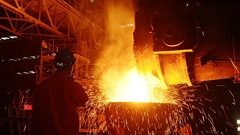
The European Commission's latest decision to raise anti-dumping duties on Chinese steel bars "provided unjustifiable protection for the EU steel industry," China's Ministry of Commerce (MOC) said Friday.
High fatigue performance steel concrete reinforcement bars (HFP rebars) imported from China will be subject to duties of 18.4 to 22.5 percent, the commission ruled on Friday after an anti-dumping probe.
The MOC pointed out that the ruling was based on setting higher targets for the profit margins of EU steel producers, saying the practice "lacked justifiable grounds" amid a global industrial downturn.
Chinese HFP rebars did not impact the EU industry, as most of those imported were sold to Britain and Ireland to meet local market demands and support infrastructure projects during the economic recovery, said the MOC in a statement.
It expressed regret that the EU made the protectionist move just weeks after commerce ministers of G20 members reached a consensus to avoid protectionism.
The ministry called on the EU to "keep its promises made on international occasions and refrain from sending the wrong signals to the outside world."
The Chinese side is willing to strengthen communication with the EU to properly handle the problems troubling the steel industry, the MOC said.
It reiterated that it is the anemic global economy and weak demand that are to blame for difficulties facing steel industries across the world, saying trade protectionism does not help solve problems but only disrupts the normal trade order and harms the EU economy
High fatigue performance steel concrete reinforcement bars (HFP rebars) imported from China will be subject to duties of 18.4 to 22.5 percent, the commission ruled on Friday after an anti-dumping probe.
The MOC pointed out that the ruling was based on setting higher targets for the profit margins of EU steel producers, saying the practice "lacked justifiable grounds" amid a global industrial downturn.
Chinese HFP rebars did not impact the EU industry, as most of those imported were sold to Britain and Ireland to meet local market demands and support infrastructure projects during the economic recovery, said the MOC in a statement.
It expressed regret that the EU made the protectionist move just weeks after commerce ministers of G20 members reached a consensus to avoid protectionism.
The ministry called on the EU to "keep its promises made on international occasions and refrain from sending the wrong signals to the outside world."
The Chinese side is willing to strengthen communication with the EU to properly handle the problems troubling the steel industry, the MOC said.
It reiterated that it is the anemic global economy and weak demand that are to blame for difficulties facing steel industries across the world, saying trade protectionism does not help solve problems but only disrupts the normal trade order and harms the EU economy
Source: Xinhua
Các tin khác
- New-generation FTAs open wider export opportunities to Middle East and South Asia (15/06/2026)
- Updated regulations on foreign trade management and import quotas (15/06/2026)
- Mandatory traceability for high-risk goods from July 1st: What should businesses prepare for? (15/06/2026)
- Tariff pressure is forcing businesses to restructure in order to adapt. (15/06/2026)
- Coffee Citizens model aims to lift Vietnamese value chain (15/06/2026)