Home
Home
 About Us


Brussels seals trade accord with Vietnam
12/08/2015 12:00
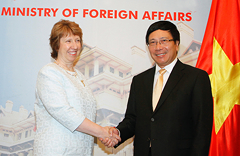
The EU concluded a major trade agreement with Vietnam on Tuesday, opening up one of Asia’s fastest-growing economies and a consumer market of more than 90m people to European companies.
During two-and-a-half years of talks between Brussels and Hanoi, negotiators were forced to address human rights concerns and fears that China would use Vietnam as a backdoor for cheap textile imports into the EU.
Vietnam’s economy is predicted to grow 6 per cent this year, according to the IMF. The international lender has predicted growth of 82 per cent in dollar terms between 2013 and 2020, fuelled by strong exports, a youthful population and an increasing emphasis on technology.
Trade between the two economies totalled more than €28bn last year and the EU is Vietnam’s second-biggest trading partner after China. The EU imported €22bn worth of goods from Vietnam in 2014.
The deal, which requires approval from the EU parliament, will remove 99 per cent of tariffs between Europe and Vietnam over the next decade.
“Over 31m jobs in Europe depend on exports, so having easier access to a growing and fast-developing market like Vietnam, with its 90m consumers, is great news,” said Cecilia Malmström, the EU’s trade commissioner.
European clothing, footwear and sportswear companies have been vocal advocates of the deal, which will slash the tariffs on goods made in their Vietnamese factories.
However, textiles also proved to be a sticking point because of fears that China would use Vietnam as a conduit through which to flood EU markets. For this reason, EU trade negotiators said that they had introduced strict “rules of origin” safeguards, ensuring that raw materials from China must undergo sufficient workmanship in Vietnam before they can be re-exported to Europe.
Ms Malmström has also had to weather criticism from rights groups and politicians, who have criticised the EU for negotiating such a wide-ranging deal with the one-party communist state, which has a poor record on civil liberties. In March, the EU’s ombudsman admonished the European Commission for not conducting a prior human rights impact assessment before pressing ahead with the deal.
However, Ms Malmström has defended the EU’s approach, stressing that increased trade is a catalyst for socio-economic change and arguing that Brussels would maintain a strict focus on rights concerns. She noted that the EU would have powers to suspend the deal if it had concerns that Vietnam’s record on human rights was deteriorating.
Ms Malmström played down suggestions that a deal with Vietnam was a blueprint for a similar deal with China, which she insisted was “not on the agenda at the moment”.
A deal with Vietnam has long been seen as one of the EU’s more straightforward deals. Negotiations over an accord with the US are far more complex and politically sensitive, although Ms Malmström vowed to try to “wrap up” an agreement next year.
The EU said that the Vietnam deal would allow European companies to bid for big public contracts such as roads and ports in the country. It will also open up the service sector in spheres such as banking and insurance.
Some technology executives had expressed concerns that Vietnam was moving to protect its nascent technology industry with new legislation. Brussels insisted that there had been progress on these non-tariff barriers and predicted that European businesses would enjoy greater access in sectors such as “electrical appliances, IT, and food and drinks”.
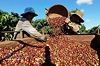
The deal will safeguard the geographical indicators for European foods and drinks such as Rioja wine and Scotch whisky. Similarly, the EU will recognise names such as Buon Ma Thuot coffee. Vietnam is the world’s second-biggest coffee producer.
During two-and-a-half years of talks between Brussels and Hanoi, negotiators were forced to address human rights concerns and fears that China would use Vietnam as a backdoor for cheap textile imports into the EU.
Vietnam’s economy is predicted to grow 6 per cent this year, according to the IMF. The international lender has predicted growth of 82 per cent in dollar terms between 2013 and 2020, fuelled by strong exports, a youthful population and an increasing emphasis on technology.
Trade between the two economies totalled more than €28bn last year and the EU is Vietnam’s second-biggest trading partner after China. The EU imported €22bn worth of goods from Vietnam in 2014.
The deal, which requires approval from the EU parliament, will remove 99 per cent of tariffs between Europe and Vietnam over the next decade.
“Over 31m jobs in Europe depend on exports, so having easier access to a growing and fast-developing market like Vietnam, with its 90m consumers, is great news,” said Cecilia Malmström, the EU’s trade commissioner.
European clothing, footwear and sportswear companies have been vocal advocates of the deal, which will slash the tariffs on goods made in their Vietnamese factories.
However, textiles also proved to be a sticking point because of fears that China would use Vietnam as a conduit through which to flood EU markets. For this reason, EU trade negotiators said that they had introduced strict “rules of origin” safeguards, ensuring that raw materials from China must undergo sufficient workmanship in Vietnam before they can be re-exported to Europe.
Ms Malmström has also had to weather criticism from rights groups and politicians, who have criticised the EU for negotiating such a wide-ranging deal with the one-party communist state, which has a poor record on civil liberties. In March, the EU’s ombudsman admonished the European Commission for not conducting a prior human rights impact assessment before pressing ahead with the deal.
However, Ms Malmström has defended the EU’s approach, stressing that increased trade is a catalyst for socio-economic change and arguing that Brussels would maintain a strict focus on rights concerns. She noted that the EU would have powers to suspend the deal if it had concerns that Vietnam’s record on human rights was deteriorating.
Ms Malmström played down suggestions that a deal with Vietnam was a blueprint for a similar deal with China, which she insisted was “not on the agenda at the moment”.
A deal with Vietnam has long been seen as one of the EU’s more straightforward deals. Negotiations over an accord with the US are far more complex and politically sensitive, although Ms Malmström vowed to try to “wrap up” an agreement next year.
The EU said that the Vietnam deal would allow European companies to bid for big public contracts such as roads and ports in the country. It will also open up the service sector in spheres such as banking and insurance.
Some technology executives had expressed concerns that Vietnam was moving to protect its nascent technology industry with new legislation. Brussels insisted that there had been progress on these non-tariff barriers and predicted that European businesses would enjoy greater access in sectors such as “electrical appliances, IT, and food and drinks”.
The deal will safeguard the geographical indicators for European foods and drinks such as Rioja wine and Scotch whisky. Similarly, the EU will recognise names such as Buon Ma Thuot coffee. Vietnam is the world’s second-biggest coffee producer.
Aug 4, 2015
Source: ft.com
Source: ft.com
| Tải tài liệu | |
|---|---|
| 150804 Brussels seals trade accord with Vietnam | |
Các tin khác
- New-generation FTAs open wider export opportunities to Middle East and South Asia (15/06/2026)
- Updated regulations on foreign trade management and import quotas (15/06/2026)
- Mandatory traceability for high-risk goods from July 1st: What should businesses prepare for? (15/06/2026)
- Tariff pressure is forcing businesses to restructure in order to adapt. (15/06/2026)
- Coffee Citizens model aims to lift Vietnamese value chain (15/06/2026)