Home
Home
 About Us


Decree on specialised inspection expected follows PM’s instructions
24/05/2021 12:00
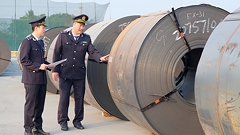
The changing of the entire structure of specialised inspection model for import goods will remove shortcomings in this operation, which is expected to create strong momentum by businesses.
Nguyen Hai Minh, Vice chairman, European Chamber of Commerce in Vietnam (EuroCham), said the business community and European businesses in Vietnam have agreed with the provision that the Customs shall be the focal point for specialised inspection as in the draft decree on quality inspection and food safety inspection for import goods.
“The decree or provisions on specialised inspection that will be issued in the near future, will change all structure of specialised inspection in Vietnam and have impact on the business community, so the policy formulation is very difficult and consumes a lot of time,” Minh said.
EuroCham’s Vice chairman also praised the great efforts of the drafting board and the Customs in receiving comments from the business community and perfecting the draft decree.
According to Minh, the General Department of Vietnam Customs (GDVC) has amended the risk management mechanism and reduced overlapping procedures. For example, firms have voiced their concern about consequences the application of one registration number to many importers. If a business make a mistake or commit fraud, whether it will affect other businesses or not? The GDVC has removed shortcomings in the latest draft while still cutting overlapping procedures.
However, the decree should specify the risk management is not only applied to that item, but also to the status of the importer. For example, when detecting suspicious signs of the item after being issued registration number, how will this item be handled? The withdrawal or destruction of these items will be applied to those importers. This must be considered carefully.
In addition, some food importers expressed their view on identical goods. Currently, the item is whether to be included in the food item or not, because the criteria for distinguishing identical goods from food items are completely different for those of other goods.
“The difference in colour and taste is a basic difference in food products, so this provision must be clarified in making the draft," Minh said.
Tran Quang Trung, Chairman of the Viet Nam Dairy Association, raised the current shortcomings. Some food products are inspected by many agencies when they are imported into Vietnam. Some products are the same criteria for inspection but are inspected by the two agencies, increasing the time for businesses in customs inspection and clearance.
Recently, the GDVC and the drafting board have made great efforts in making the decree on quality inspection and food safety inspection for import goods.
The decree is a key document, related to many sectors managed by ministries and branches, and has a great impact on import and export activities while the Customs is assigned as the focal point. The coordination between the Customs and specialised agencies of the Government and localities plays an important role.
“If the decree is issued, it will be a breakthrough, creating favourable conditions for importers while controlling risks and avoiding that one item are inspected by many agencies,” the chairman said.
However, the drafting board should perfect a number of technical contents. For example, regulations on identical goods must be specific. If an error occurs, how should it be assessed? Who is responsible for that shipment?
Nguyen Dang Kien, representative of the Food and Beverage Subcommittee of the American Chamber of Commerce in Vietnam (AmCham), said the chamber appreciates the reformed contents in the draft decree. It has integrated all the information on inspection registration and announcement for imported goods, and connected all specialised state management agencies to the National Single Window. Strong IT application will facilitate firms during importing and clearing goods.
In addition, the draft also applies a risk management-based inspection method (tight inspection, normal inspection and reduced inspection) which has been effectively implemented in Decree 15/2018/ND-CP. These reforms in the draft decree have been highly appreciated and anticipated by businesses.
Nguyen Hai Minh, Vice chairman, European Chamber of Commerce in Vietnam (EuroCham), said the business community and European businesses in Vietnam have agreed with the provision that the Customs shall be the focal point for specialised inspection as in the draft decree on quality inspection and food safety inspection for import goods.
“The decree or provisions on specialised inspection that will be issued in the near future, will change all structure of specialised inspection in Vietnam and have impact on the business community, so the policy formulation is very difficult and consumes a lot of time,” Minh said.
EuroCham’s Vice chairman also praised the great efforts of the drafting board and the Customs in receiving comments from the business community and perfecting the draft decree.
According to Minh, the General Department of Vietnam Customs (GDVC) has amended the risk management mechanism and reduced overlapping procedures. For example, firms have voiced their concern about consequences the application of one registration number to many importers. If a business make a mistake or commit fraud, whether it will affect other businesses or not? The GDVC has removed shortcomings in the latest draft while still cutting overlapping procedures.
However, the decree should specify the risk management is not only applied to that item, but also to the status of the importer. For example, when detecting suspicious signs of the item after being issued registration number, how will this item be handled? The withdrawal or destruction of these items will be applied to those importers. This must be considered carefully.
In addition, some food importers expressed their view on identical goods. Currently, the item is whether to be included in the food item or not, because the criteria for distinguishing identical goods from food items are completely different for those of other goods.
“The difference in colour and taste is a basic difference in food products, so this provision must be clarified in making the draft," Minh said.
Tran Quang Trung, Chairman of the Viet Nam Dairy Association, raised the current shortcomings. Some food products are inspected by many agencies when they are imported into Vietnam. Some products are the same criteria for inspection but are inspected by the two agencies, increasing the time for businesses in customs inspection and clearance.
Recently, the GDVC and the drafting board have made great efforts in making the decree on quality inspection and food safety inspection for import goods.
The decree is a key document, related to many sectors managed by ministries and branches, and has a great impact on import and export activities while the Customs is assigned as the focal point. The coordination between the Customs and specialised agencies of the Government and localities plays an important role.
“If the decree is issued, it will be a breakthrough, creating favourable conditions for importers while controlling risks and avoiding that one item are inspected by many agencies,” the chairman said.
However, the drafting board should perfect a number of technical contents. For example, regulations on identical goods must be specific. If an error occurs, how should it be assessed? Who is responsible for that shipment?
Nguyen Dang Kien, representative of the Food and Beverage Subcommittee of the American Chamber of Commerce in Vietnam (AmCham), said the chamber appreciates the reformed contents in the draft decree. It has integrated all the information on inspection registration and announcement for imported goods, and connected all specialised state management agencies to the National Single Window. Strong IT application will facilitate firms during importing and clearing goods.
In addition, the draft also applies a risk management-based inspection method (tight inspection, normal inspection and reduced inspection) which has been effectively implemented in Decree 15/2018/ND-CP. These reforms in the draft decree have been highly appreciated and anticipated by businesses.
Source: Customs News
Các tin khác
- Viet Nam extends anti-dumping duties on some Thai sugar products to 2031 (05/06/2026)
- Hong Kong: Ministry of Commerce Rules on Inheritance of Anti-dumping Duty Rates for Copolymer Polyoxymethylene Imports Originating from S Korea, Thailand and Malaysia (05/06/2026)
- Early-season Vietnamese lychees conquer US consumers (05/06/2026)
- Global rubber prices surge, raising hopes for Vietnamese exporters (05/06/2026)
- Modern logistics creates new growth opportunities for Lang Son’s border-gate economy (05/06/2026)